
Search
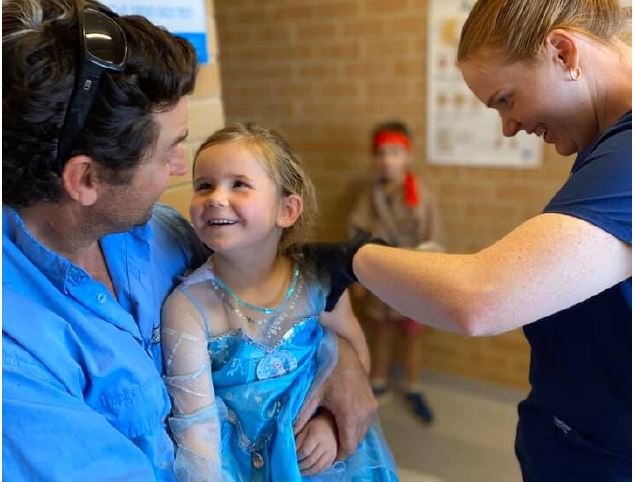
Infectious disease researchers who used a decade of scientific evidence to advocate for a nationwide childhood influenza immunisation policy have earned a finalist position at the country’s most prestigious science awards – the Australian Museum Eureka Prizes.

Dr Chris Brennan-Jones received the Woodside STEM Award for Excellence in Science at the prestigious 40Under40 Awards.
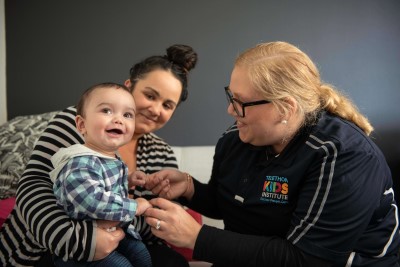
The Kids Research Institute Australia researchers have found close to 40 per cent of Aboriginal babies begin to develop middle ear infections between two and four months of age in a first of its kind study in metropolitan Perth.
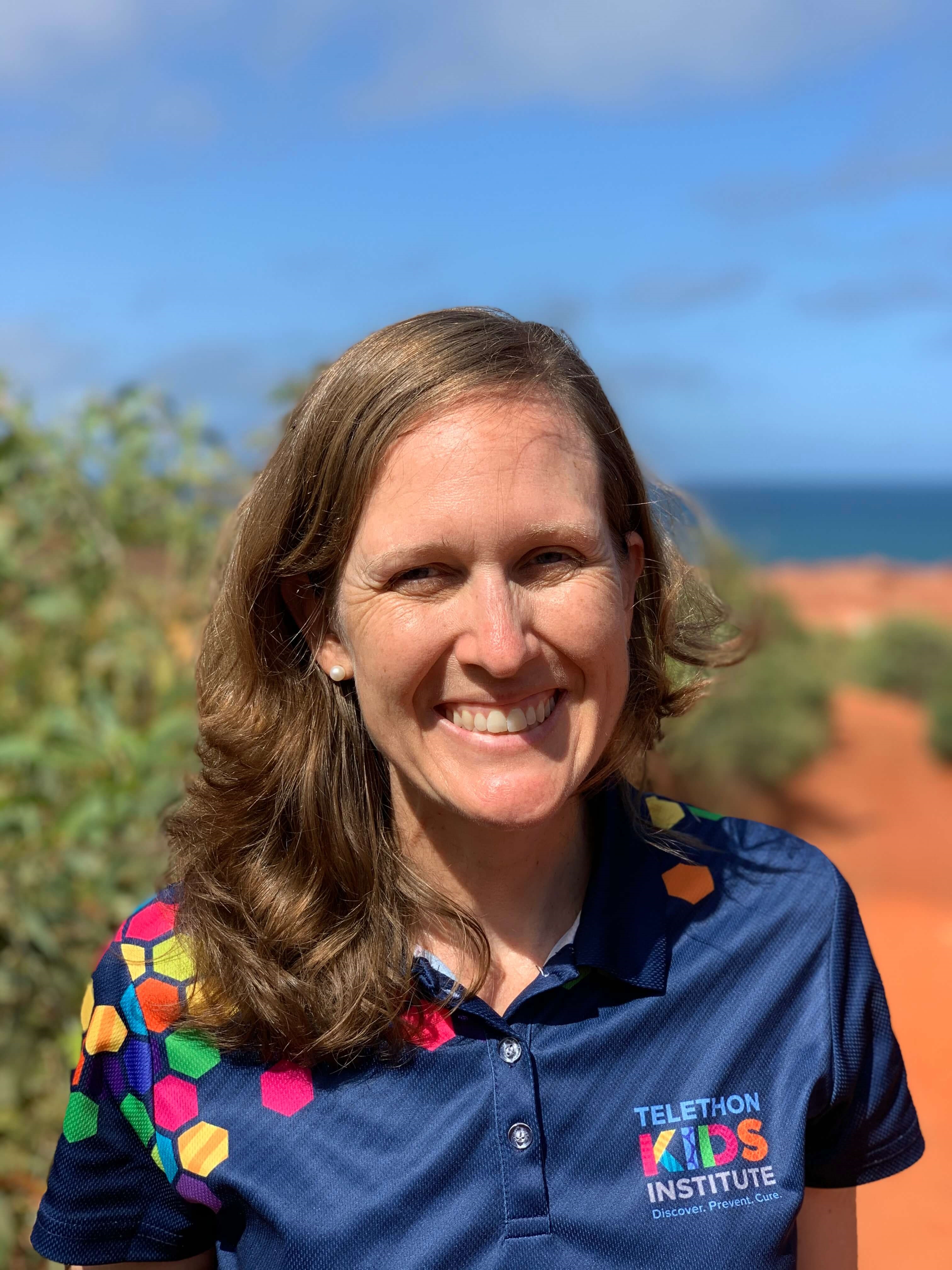
Paediatric infectious disease expert and clinician-scientist Associate Professor Asha Bowen has been named as the Emerging Leader in Science at the country’s most prestigious science awards – the Australian Museum Eureka Prizes.
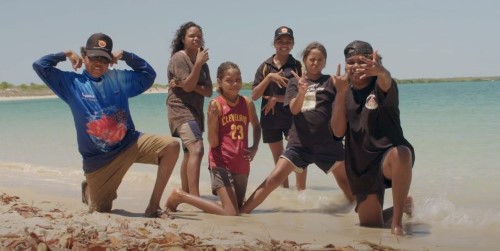
The Kids Research Institute Australia researchers have launched the Hip Hop 2 SToP video featuring school kids participating in their SToP Trial project designed to see, treat and prevent skin infections in WA’s Kimberley region.
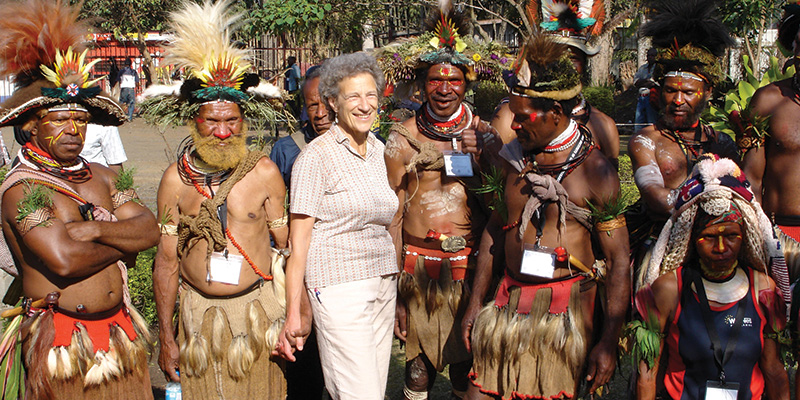
Children living in Papua New Guinea have good reason to call Clinical Associate Professor Deborah Lehmann ‘Mama Deb’.
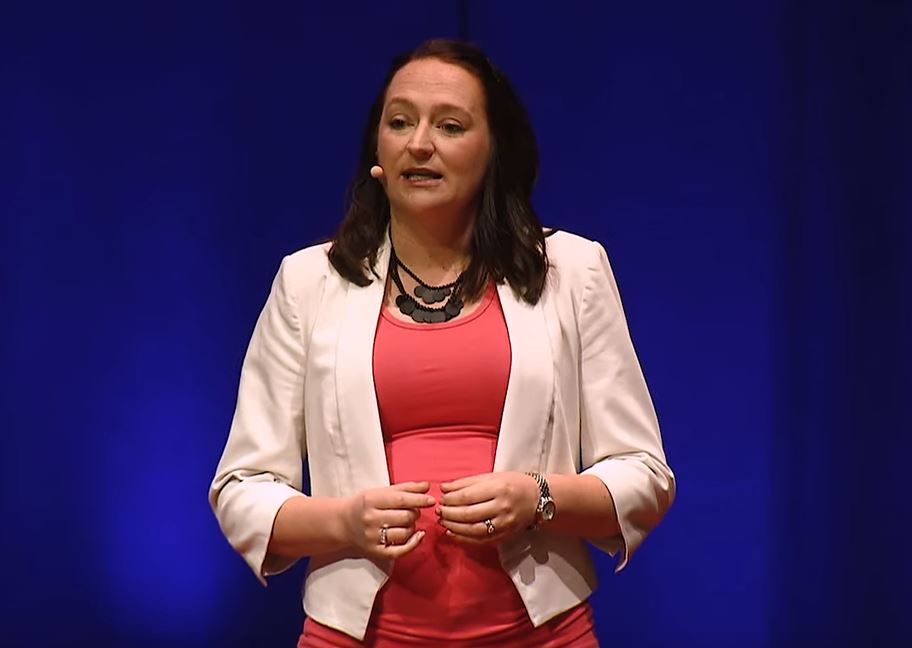
Dr Hannah Moore was one of WA’s brightest minds chosen to speak at TEDX Perth in November last year, presenting her insights into the power of data in fighting infectious diseases to a sold-out crowd at the Perth Concert Hall.
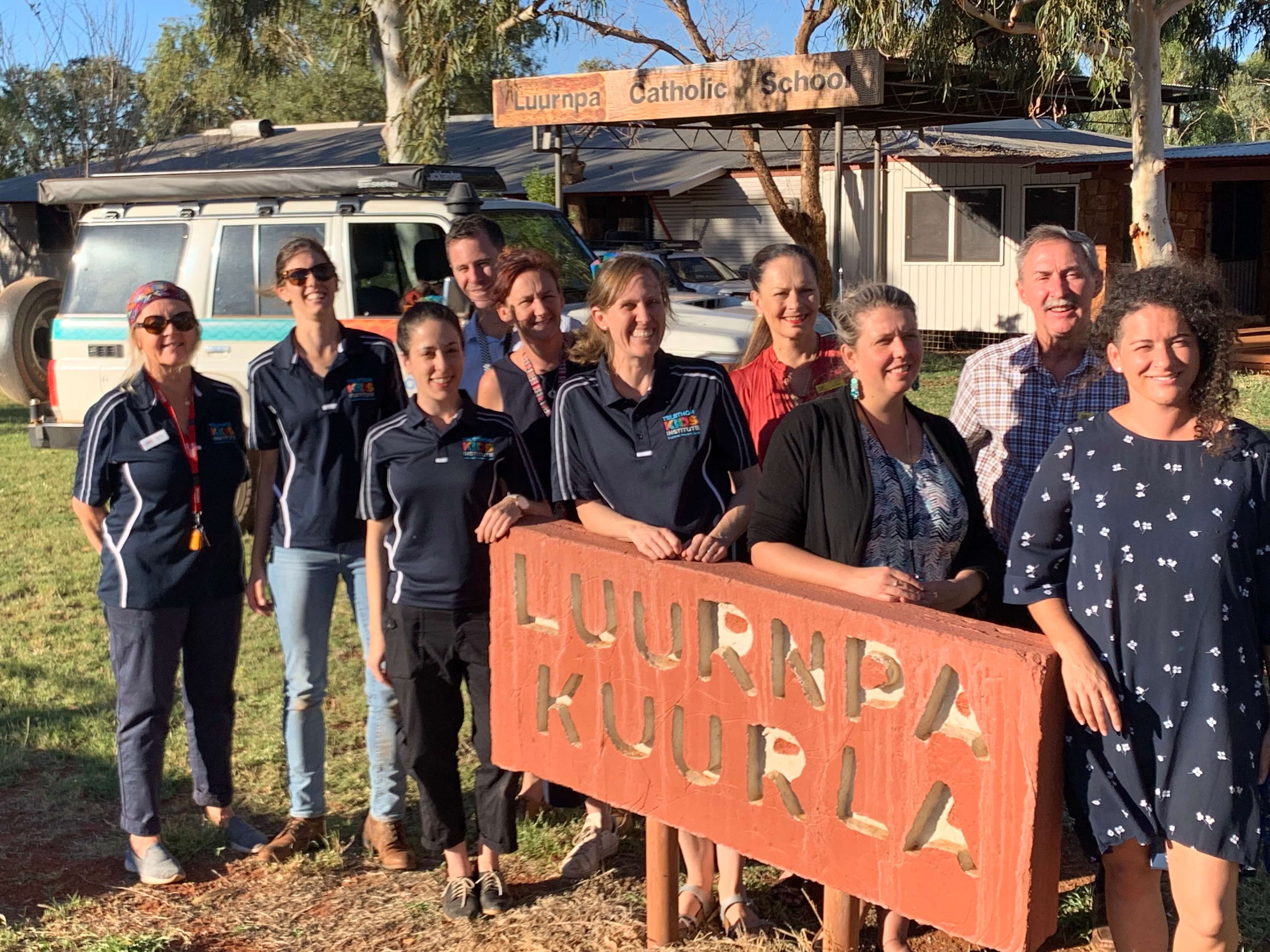
The The Kids Skin Health team has a busy six weeks ahead - visiting nine communities throughout the Kimberley region of WA as part of the first school surveillance activities for the SToP Trial.

A year after launching the first National Healthy Skin Guideline to address record rates of skin infections in Australia’s Indigenous communities, The Kids Research Institute Australia has released a new resource as part of the guideline.
Port Hedland is hosting some of Australia’s most respected health researchers this week as they join forces with local health professionals to improve the health of people living in the tropical north of the country.