
Search
Autism spectrum disorder (ASD) is a complex neurodevelopmental condition whose biological basis is yet to be elucidated. The Australian Autism Biobank (AAB) is an initiative of the Cooperative Research Centre for Living with Autism (Autism CRC) to establish an Australian resource of biospecimens, phenotypes and genomic data for research on autism.
Links between temperament and social-emotional difficulties are well-established in normative child development but remain poorly characterized in autism. We sought to characterize distinct temperament subgroups and their associations with concurrent internalizing and externalizing symptoms in a sample of 103 infants showing early signs of autism.

IDEA is one of the few population-based resources in the world dedicated to intellectual disability. The IDEA database contains information on all children born in Western Australia since 1983 who have been identified with having an intellectual disability. Individuals with autism spectrum disorder, both with and without intellectual disability, are also included in the database. Deidentified information is accessed from the Department of Communities WA, the WA Department of Education, and the National Disability Insurance Agency (NDIA) to create the database. IDEA can be linked to other datasets to facilitate research into the determinants, outcomes and service needs of children and adults with intellectual disability. Researchers can apply for such linked data, available in a de-identified format under approval from an ethics committee.
IDEA is one of the few population-based resources in the world dedicated to intellectual disability. The IDEA database contains information on all children born in Western Australia since 1983 who have been identified with having an intellectual disability. Individuals with autism spectrum disorder, both with and
About The Autism Register
The Autism Register Team are running short, informative workshops at your organisation or at a location close to you. We aim to get your feedback about the new Autism Register, answer your questions and demonstrate the online portal.

The Kids Research Institute Australia’s CliniKids and Griffith University are excited to announce a new partnership which will help to grow autism research in Australia.
PACT is a communication therapy at CliniKids

Our NDIS audit was completed late February, resulting in continued registration for CliniKids as a NDIS service provider.
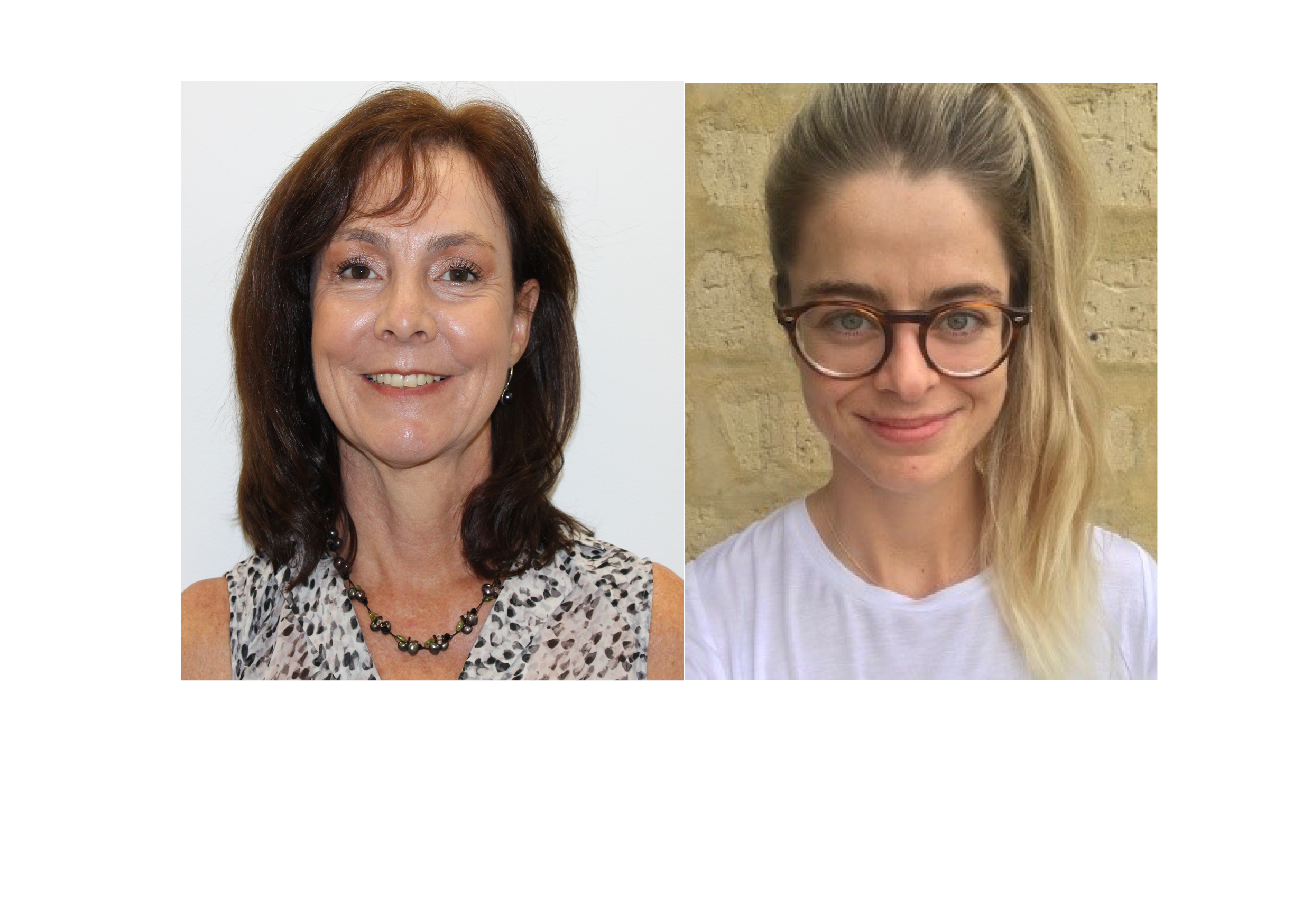
There are two new faces at CliniKids, Theresa, our new Clinical Services Manager and Ally, our new Occupational Therapist.