
Search
Asthma exacerbations in children are associated with respiratory viral infection and atopy, resulting in systemic immune activation and infiltration of immune cells into the airways. The gene networks driving the immune activation and subsequent migration of immune cells into the airways remains incompletely understood. Cellular and molecular profiling of PBMC was employed on paired samples obtained from atopic asthmatic children during acute virus-associated exacerbations and later during convalescence.
A significant number of babies present transiently with low protein kinase C zeta (PKCζ) levels in cord blood T cells, associated with reduced ability to transition from a neonatal Th2 to a mature Th1 cytokine bias, leading to a higher risk of developing allergic sensitisation, compared to neonates whose T cells have 'normal' PKCζ levels. However, the importance of PKCζ signalling in regulating their differentiation from a Th2 to a Th1 cytokine phenotype propensity remains undefined.
To assess the pharmacokinetics, safety, and tolerability of two high-dose, short-course primaquine (PQ) regimens compared with standard care in children with Plasmodium vivax infections.
The way the immune system operates differs between males and females. This is due to both differential expression of immune-related genes from the sex chromosomes as well as the immune modulatory properties of sex hormones. Together, these effects contribute to a skewed prevalence of disease and disease course between males and females, including allergic-, infectious-, autoimmune-, and cancerous disease.
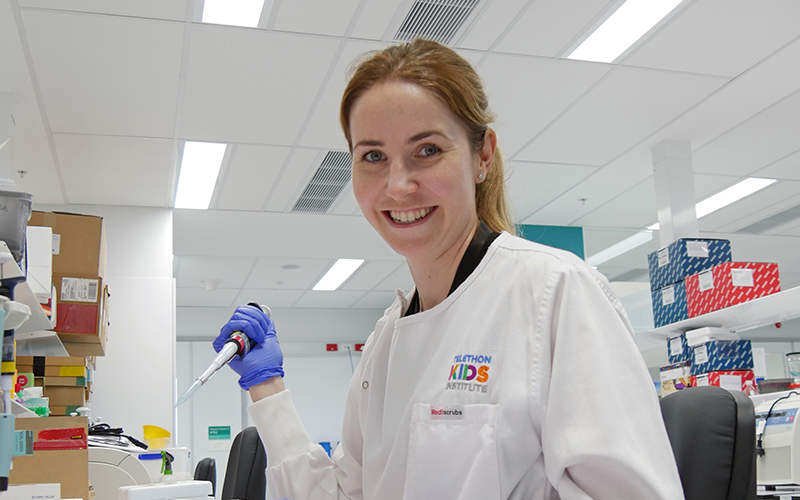
A The Kids Research Institute Australia researcher will work to better understand the immune system mechanisms that cause multiple sclerosis, thanks to a new grant from MS Australia.
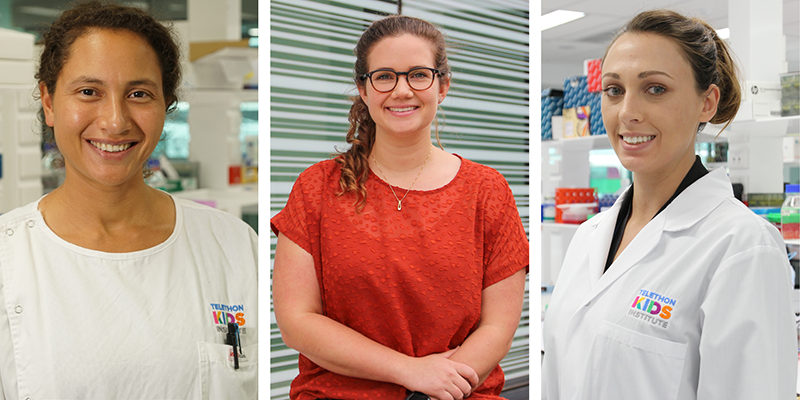
Three outstanding young researchers from The Kids Research Institute Australia have been named Raine Fellows and received valuable Raine Priming Grants to support their child health research.

Eight The Kids Research Institute Australia researchers are among those who have received grant funding from the Telethon-Perth Children’s Hospital Research Fund (TPCHRF).
Respiratory viruses are increasingly detected in children with community-acquired pneumonia but prevalence estimates vary substantially. We aimed to systematically review and pool estimates for 22 viruses commonly associated with community-acquired pneumonia.
Peter Britta Richmond Regli-von Ungern-Sternberg AM FAHMS MBBS MRCP(UK) FRACP MD, PhD, DEAA, FANZA Head, Vaccine Trials Group Chair of Paediatric
Because of its beneficial off-target effects against non-mycobacterial infectious diseases, bacillus Calmette-Guérin vaccination might be an accessible early intervention to boost protection against novel pathogens. Multiple epidemiological studies and randomised controlled trials are investigating the protective effect of BCG against coronavirus disease 2019 (COVID-19).