
Search
An estimated 3.5%-5.9% of the global population live with rare diseases, and approximately 80% of these diseases have a genetic cause. Rare genetic diseases are difficult to diagnose, with some affected individuals experiencing diagnostic delays of 5-30 years. Next-generation sequencing has improved clinical diagnostic rates to 33%-48%. In a majority of cases, novel variants potentially causing the disease are discovered.
Complementary feeding induces dramatic ecological shifts in the infant gut microbiota toward more diverse compositions and functional metabolic capacities, with potential implications for immune and metabolic health. The aim of this study was to examine whether the age at which solid foods are introduced differentially affects the microbiota in predominantly breastfed infants compared with predominantly formula-fed infants.
Over the last two decades, transcriptomics has become a standard technique in biomedical research. We now have large databases of RNA-seq data, accompanied by valuable metadata detailing scientific objectives and the experimental procedures used. The metadata is crucial in understanding and replicating published studies, but so far has been underutilized in helping researchers to discover existing datasets.
Advances in screening and diagnostics have changed the way in which we identify and diagnose congenital anomalies.
To describe trends, age-specific patterns, and factors influencing hospitalizations for 5 rare craniofacial anomalies.
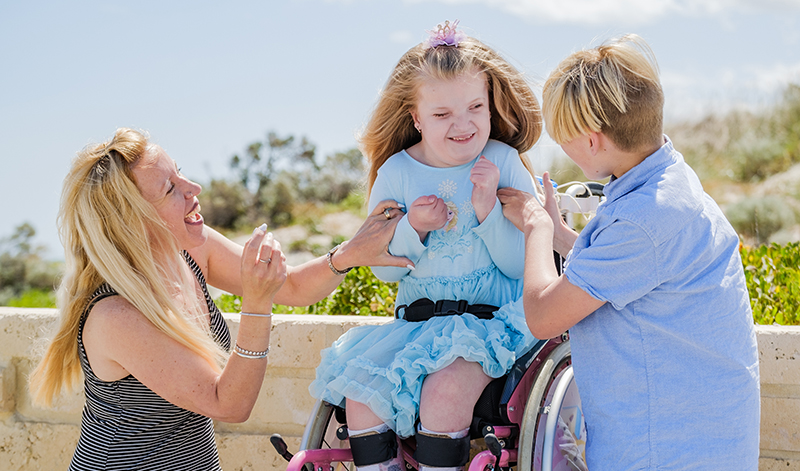
In WA, 60,000 kids live with a rare disease, and of those about half do not have a diagnosis. At The Kids, researchers are leading the charge in developing a method to identify genetic variations, so that kids like Charlotte can get answers.
Accurate knowledge of the relationship between craniofacial anomalies (CFA), intellectual disability (ID) and autism spectrum disorder (ASD) is essential to improve services and outcomes. The aim is to describe the association between CFA, ID and ASD using linked population data.
Identifying the causal variant for diagnosis of genetic diseases is challenging when using next-generation sequencing approaches and variant prioritization tools can assist in this task. These tools provide in silico predictions of variant pathogenicity, however they are agnostic to the disease under study. We previously performed a disease-specific benchmark of 24 such tools to assess how they perform in different disease contexts.
To describe trends, age, and sex-specific patterns of population hospital admissions with a diagnosis of craniosynostosis (CS) in Australia. Population data for hospital separations (in-patient) from public and private hospitals (July 1996-June 2018) were obtained from the publicly available Australian Institute of Health and Welfare (AIHW) National Hospital Morbidity Database.
In China, there are severe unmet medical needs of people living with rare diseases. Relatedly, there is a dearth of data to inform rare diseases policy. This is historically partially due to the lack of informatics infrastructure, including standards and terminology, data sharing mechanisms and network; and concerns over patient privacy protection.