
Search
PhD Candidate

PhD Candidate
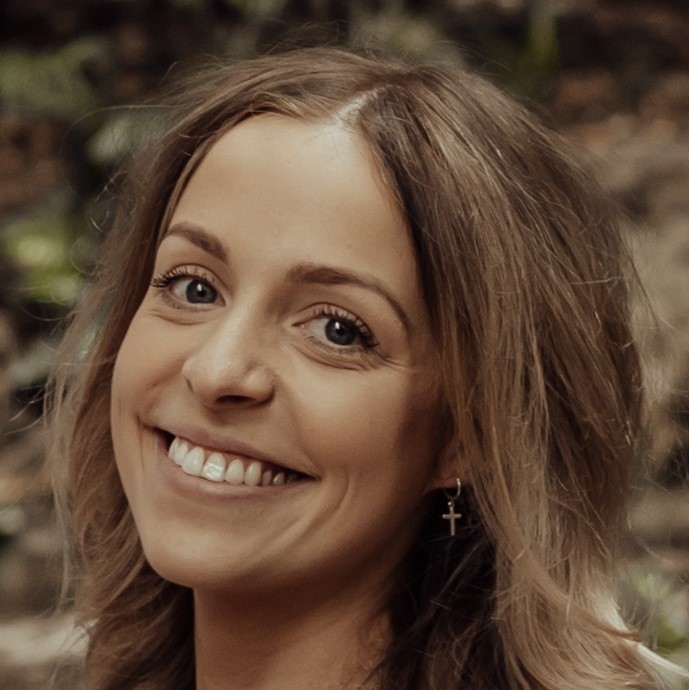
Rebecca 'Bec' Young is a research assistant on the Early Neurodevelopment and Mental Health team at The Kids Research Institute Australia.
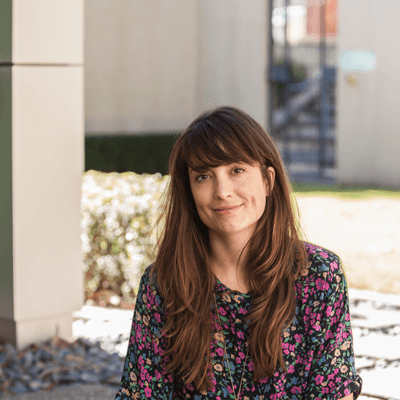
Dr Amy Finlay-Jones has been awarded the prestigious Healthway Fellowship for 2021.
Alcohol and Other Drug (AOD) exposure during pregnancy is linked to serious adverse child outcomes, including Fetal Alcohol Spectrum Disorder. The Parent-Child Assistance Program (PCAP) supports women with problematic AOD use, who are pregnant or have young children, and are not effectively engaging with services. PCAP has been shown to reduce alcohol exposed pregnancies, promote AOD abstinence, increase employment and family planning and improve child outcomes.
This systematic review aimed to identify the most important social, environmental, biological, and/or genetic risk factors for intellectual disability.
Following the outbreak of COVID-19, social distancing restrictions limited access to face-to-face mental health services in Western Australia (WA), necessitating a rapid transition to non-face-to-face alternatives, including telehealth. The current study investigated barriers and facilitators to telehealth access and engagement, and preferences for child and youth mental health service delivery during and beyond COVID-19.
Caregivers play a crucial role in supporting the development of their children's emotion regulation. This study validated the Parental Assistance with Child Emotion Regulation (PACER) Questionnaire in a sample of 491 caregivers of young children ≤ 5 years.
To understand the prevalence of children and adolescents’ electronic device use (EDU) in the hour before bed and identify sociodemographic groups that are at increased risk of problematic use.
Evidence suggests that individuals with autism spectrum disorder have increased rates of co-occurring psychosis and/or bipolar disorder. Considering the peak age of onset for psychosis and bipolar disorder occurs in adulthood, we investigated the co-occurrence of these disorders in adults with autism.