
Search
Knowledge of developmental trends in meeting age-specific 24-hour movement behaviour guidelines is lacking. This study describes developmental trends in device-measured physical activity and sedentary time over a three-year period among Western Australian children aged two to seven years, including differences between boys and girls.
Behavior change techniques (BCTs) have been extensively used in physical activity interventions for children, however, no systematic reviews have synthesized their effects.
The prevalence estimates of physical activity, sedentary behavior, and sleep (collectively known as movement behaviors) in 3- and 4-year-old children worldwide remains uncertain.
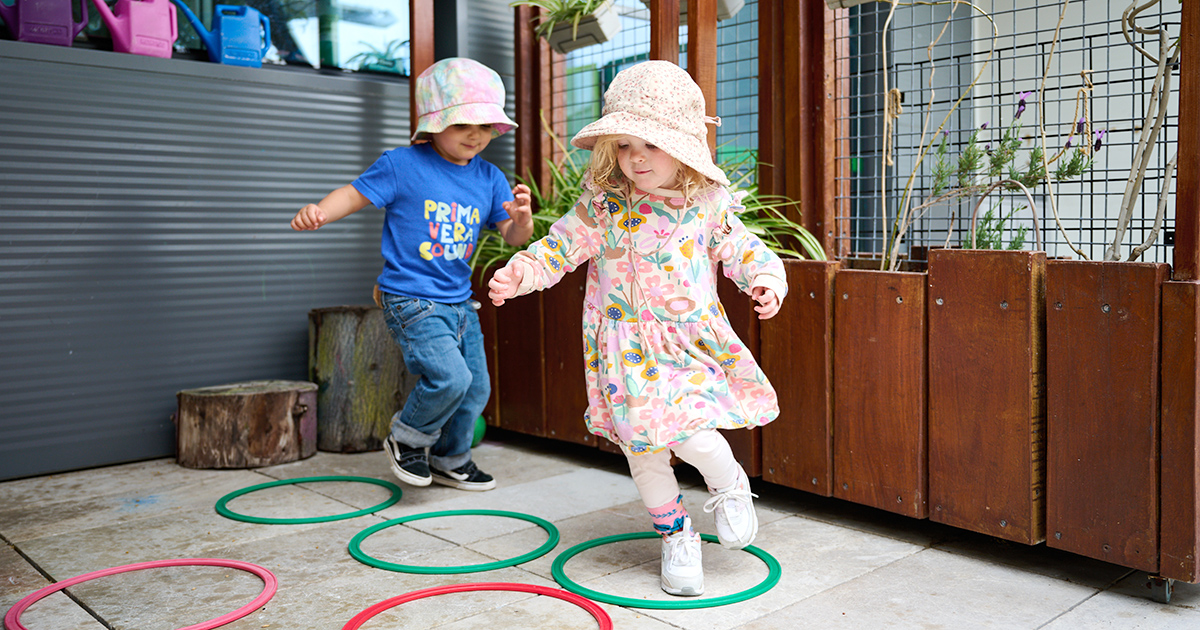
Did you know our research shows that less than 20 per cent of young Australian children get enough energetic play each day? Many children are spending more time sitting still or on screens, and not enough time moving, exploring and playing, which is fundamental to their healthy development.

Walk through the jungle, hunt for the bear, or do the animal bop this Book Week! Acting out stories is a wonderful way to encourage active play with your child.

Four outstanding members of The Kids Research Institute Australia family – three researchers and an Aboriginal Elder co-researcher – have been named in the Australia Day Honours List for their outstanding service to research and the community.
This paper provides the conceptual framework for a new review series that bring together the global literature on population approaches to nurturing relational health across the first three years of life. Early relational health is defined as ‘the everyday interactions that happen between children and their carers across the many settings in which they live and grow.
The declining mental health of youth in late adolescence and early adulthood represents a serious public health concern, resulting in substantial symptom burden, mortality, and societal cost. Despite this, youth with clinical mental illnesses show poor engagement with mental health services.
We explored how university students’ mental and physical health changed during a 12-week on-campus exercise program. When students enjoyed exercise more than usual or more than others, they reported better mental and physical health. These findings highlight the importance of prioritising enjoyment of exercise when designing exercise programs for student wellbeing.
Dog ownership has been suggested to be positively associated with children's physical, social, and emotional development. This study investigated the effect of a mobile health dog-facilitated physical activity intervention on young children's social-emotional development and attachment to the family dog.