
Search
Evidence that some children also develop autistic symptomatology over time has raised suggestions that developmental language disorder...
A link between developmental language disorders and atypical cerebral lateralization has been postulated since the 1920s, but evidence has been indirect and...
Autism is a disorder characterized by a core impairment in social behaviour. A prominent component of this social deficit is poor orienting to speech.
Rates of diagnosis of autism have risen since 1980, raising the question of whether some children who previously had other diagnoses are now being diagnosed...
This article tests the hypothesis that individuals with autism poorly encode verbal information to the semantic level of processing, instead paying greater...
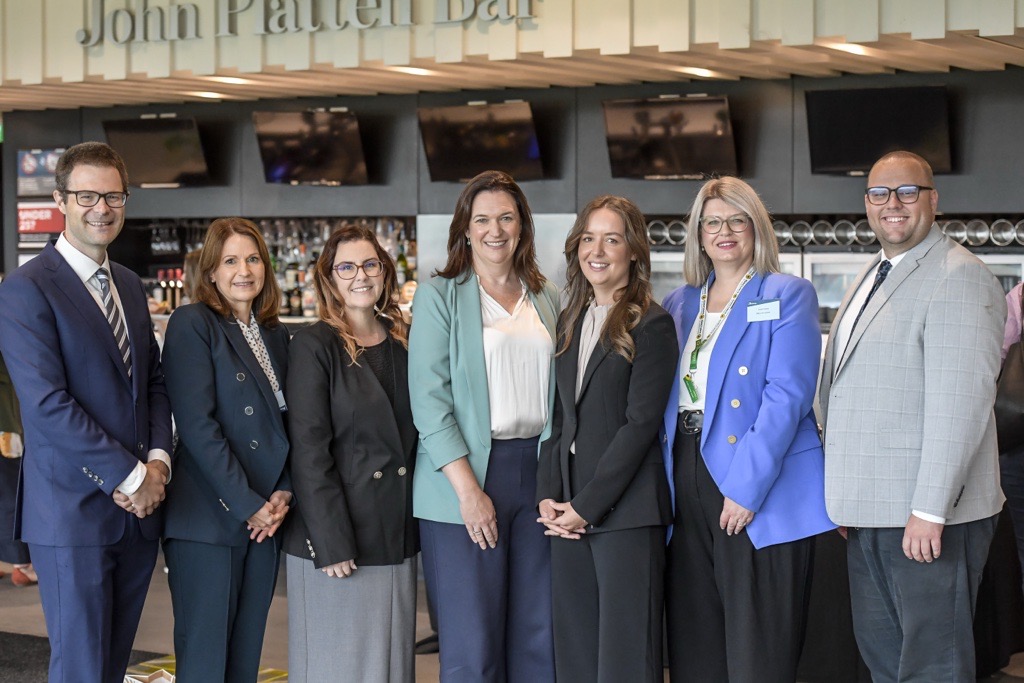
South Australian families with babies showing early social and communication differences will be among the first to benefit from a nation-leading early support program, as The Kids Research Institute Australia’s Inklings Program officially launches in South Australia.
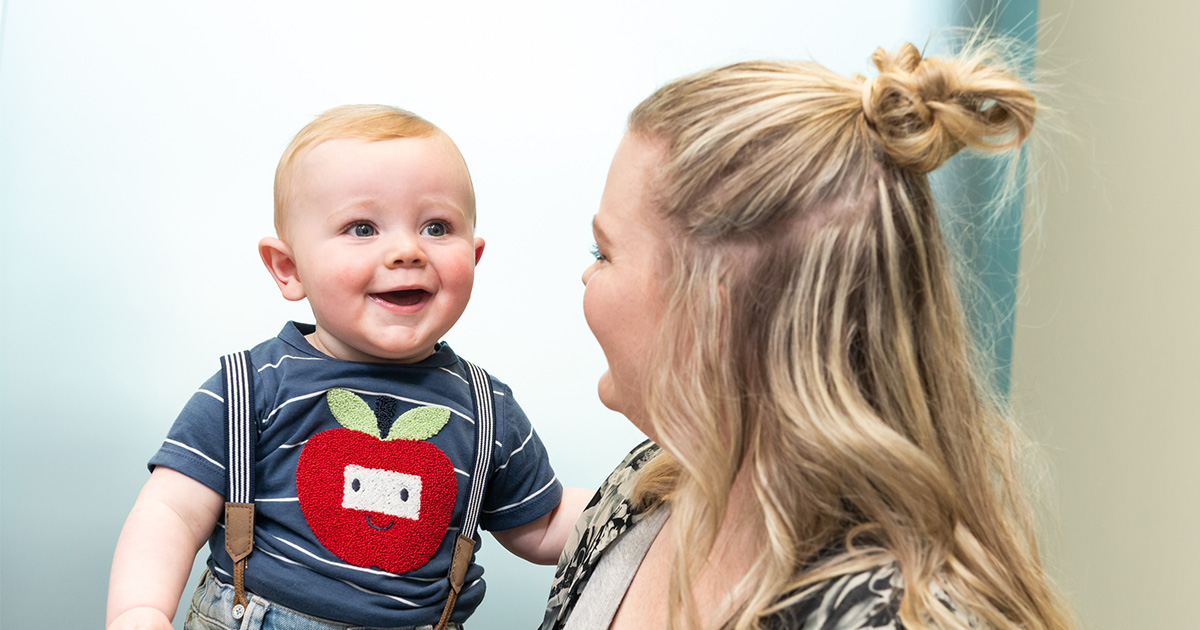
A world-first program for babies with delays in their social and communication skills has been launched in Western Australia, thanks to support from the National Disability Insurance Agency (NDIA).
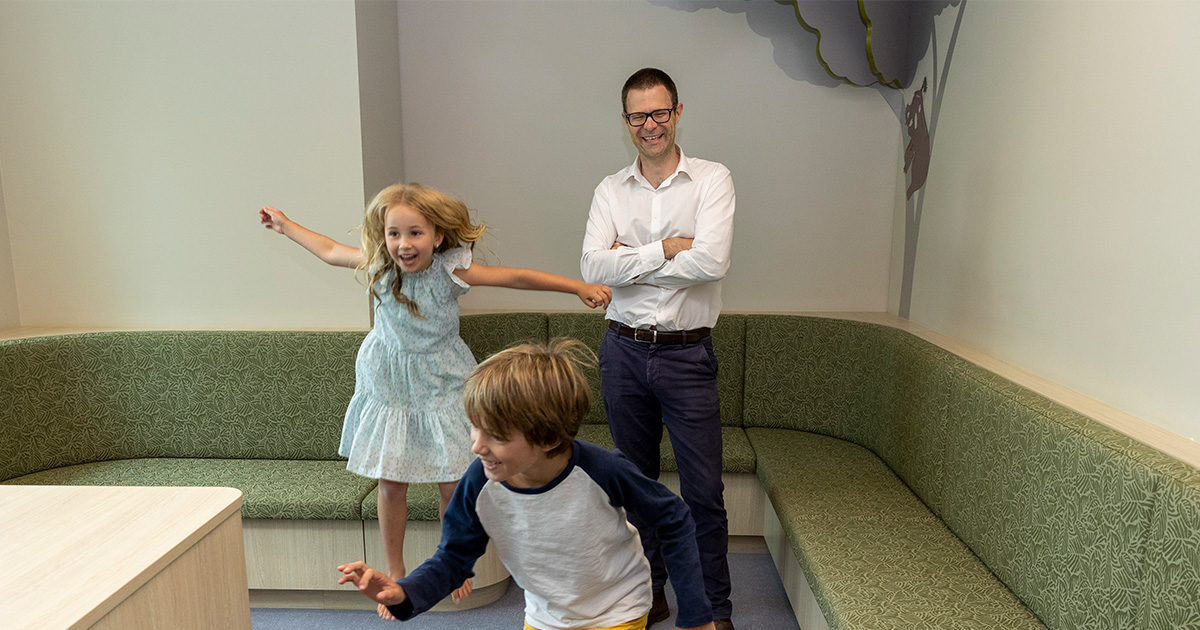
The Kids Research Institute Australia's Professor Andrew Whitehouse and Sarah Pillar share four things families can do to support their child while waiting to receive an ADHD or autism diagnostic assessment.
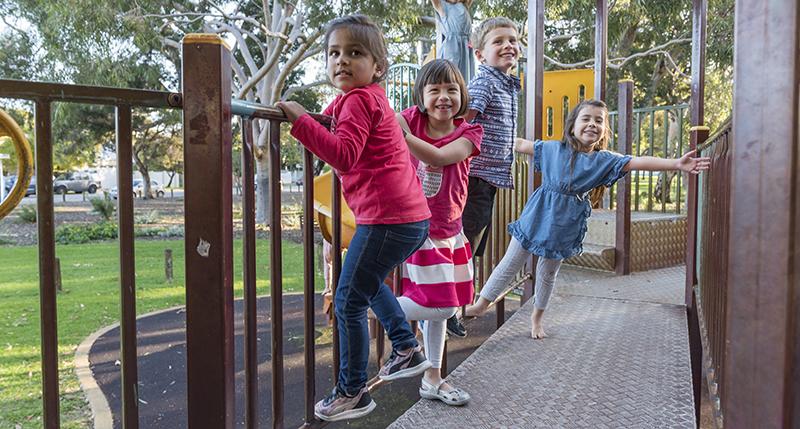
On International Day for People with Disability this Sunday, The Kids Research Institute Australia celebrates the children and families we work with in our research, as we strive for better outcomes for kids with disability.
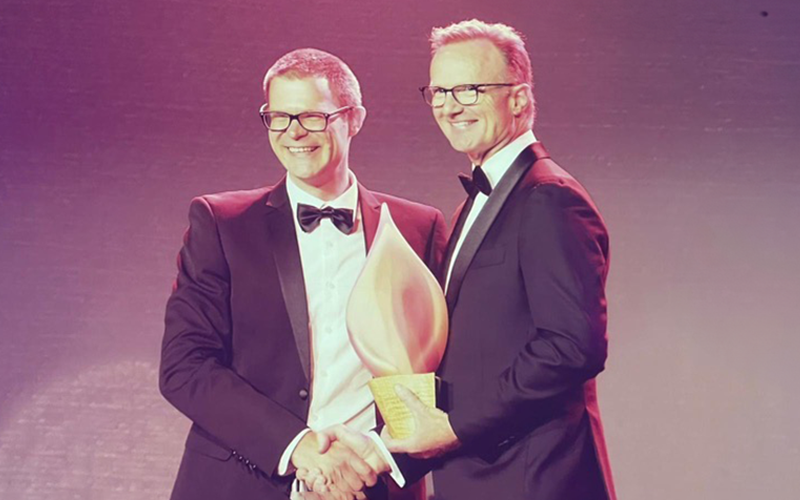
Autism researcher Professor Andrew Whitehouse has been named this year’s Western Australian of the Year in the HBF Professions category.