
Search
Recurrences frequently occur following surgical removal of primary tumors. In many cancers, adjuvant therapies have limited efficacy. Surgery provides access to the tumor microenvironment, creating an opportunity for local therapy, in particular immunotherapy, which can induce local and systemic anti-cancer effects.
High-risk childhood leukemia has a poor prognosis because of treatment failure and toxic side effects of therapy. Drug encapsulation into liposomal nanocarriers has shown clinical success at improving biodistribution and tolerability of chemotherapy. However, enhancements in drug efficacy have been limited because of a lack of selectivity of the liposomal formulations for the cancer cells.
Early, rapid, and accurate diagnostic tests play critical roles not only in the identification/management of individuals infected by SARS-CoV-2, but also in fast and effective public health surveillance, containment, and response. Our aim has been to develop a fast and robust fluorescence in situ hybridization (FISH) detection method for detecting SARS-CoV-2 RNAs by using an HEK 293 T cell culture model.
There are few options for patients with relapse/refractory B-cell acute lymphoblastic leukemia, thus this is a major area of unmet medical need. Here, we reveal that inclusion of a poison exon in RBM39, which could be induced both by CDK9 or CDK9 independent CMGC (cyclin-dependent kinases, mitogen-activated protein kinases, glycogen synthase kinases, CDC-like kinases) kinase inhibition, is recognized by the nonsense-mediated mRNA decay pathway for degradation.
An in-depth investigation of gene regulation and cell populations at sites of fetal blood-cell production provides clues as to why children with Down’s syndrome are predisposed to developing leukaemia.
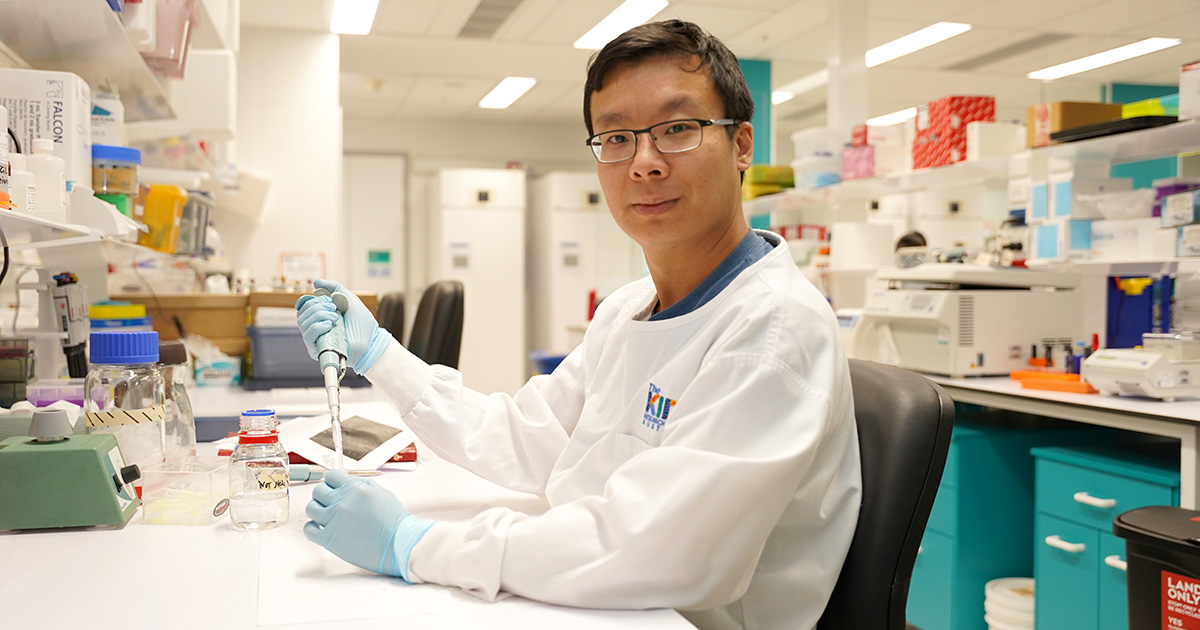
Preclinical research from the WA Comprehensive Kids Cancer Centre has revealed a promising new strategy to protect bone health in children with high-risk B-cell acute lymphoblastic leukaemia (B-ALL), showing that actively rebuilding bone may deliver faster and more effective protection against debilitating fractur
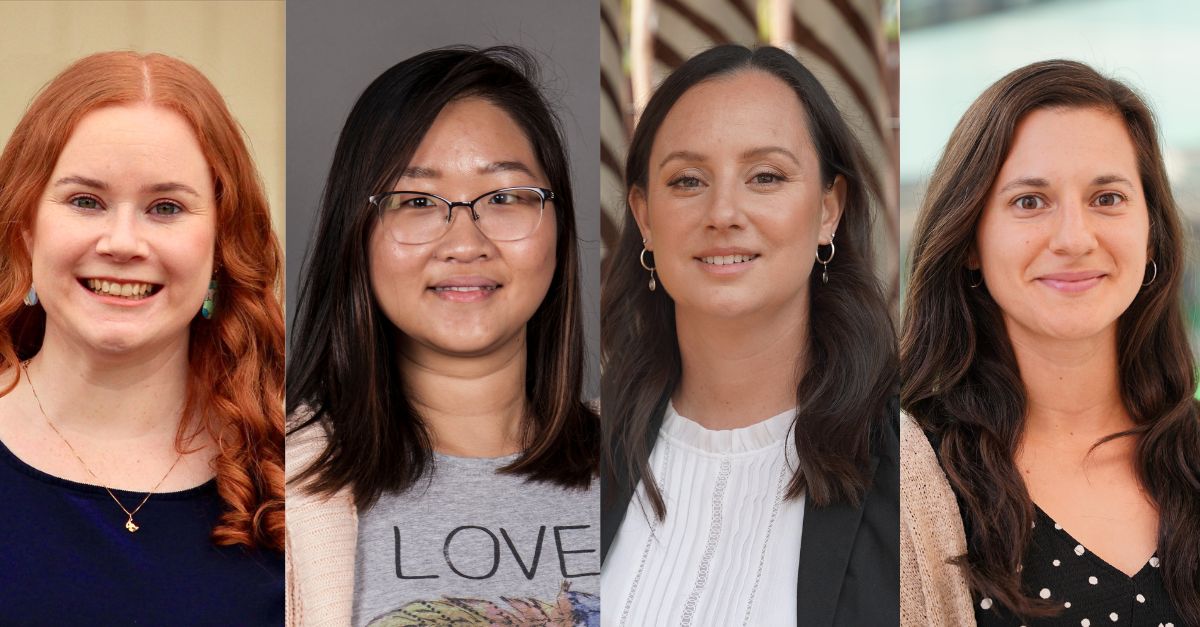
Valuable support from the Raine Medical Research Foundation’s 2025 grant round will power four new research projects at The Kids Research Institute Australia.
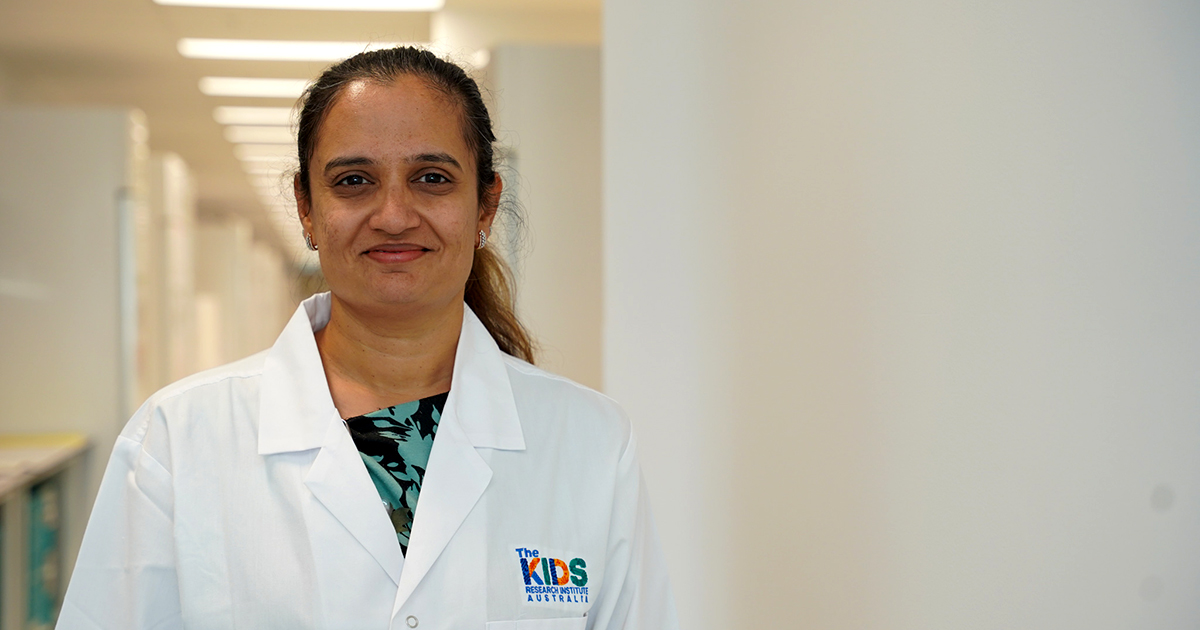
A landmark study led by Dr Hetal Dholaria, The Kids Research Institute Australia researcher and Perth Children’s Hospital Oncologist, has confirmed that a “wait and watch” approach for newborns diagnosed with neuroblastoma is not only safe, but effective over the long term.
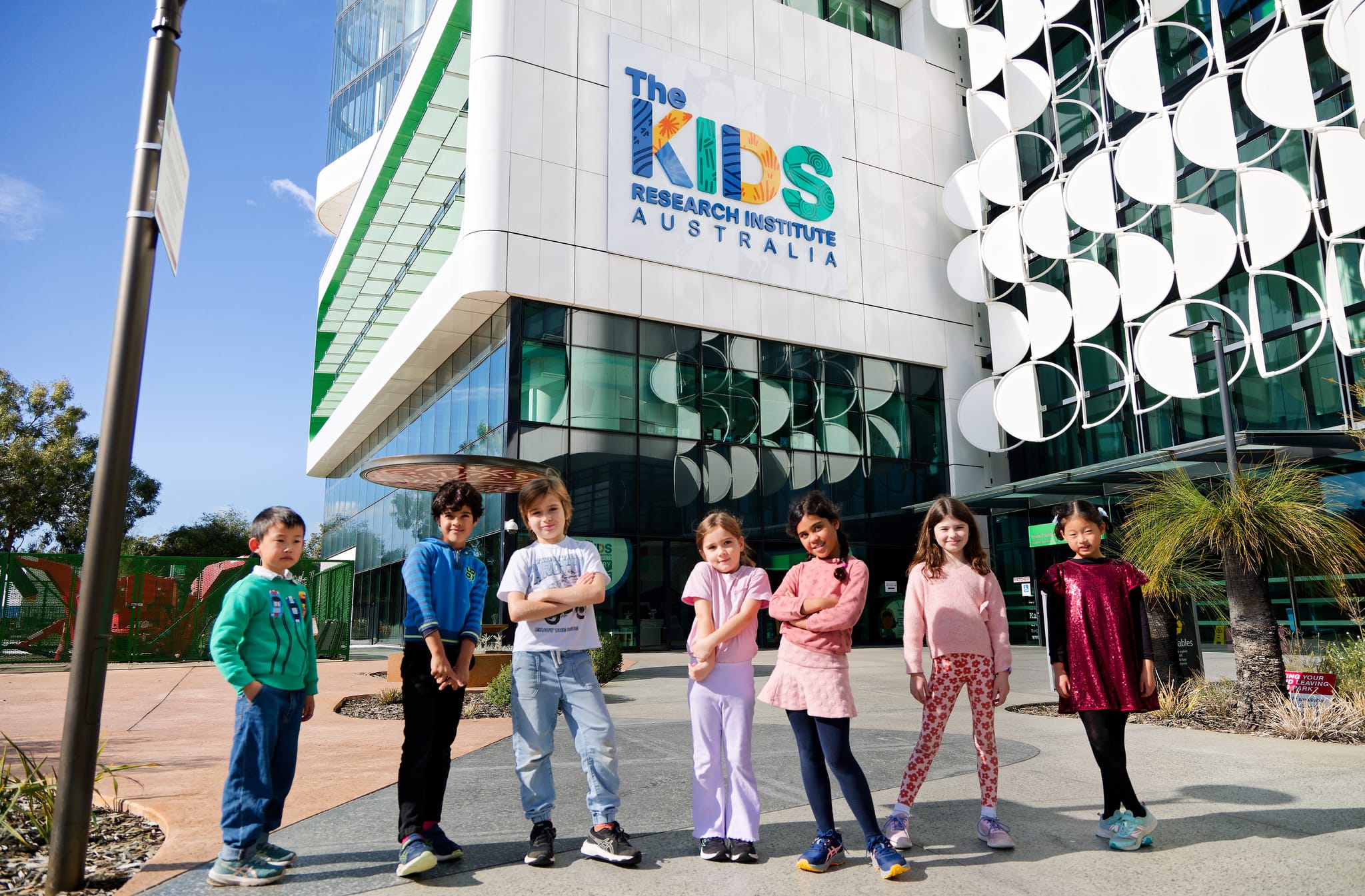
Researchers from The Kids Research Institute Australia will share in almost $4 million in grants to continue groundbreaking research to tackle childhood cancer, asthma, respiratory viral infections and more.
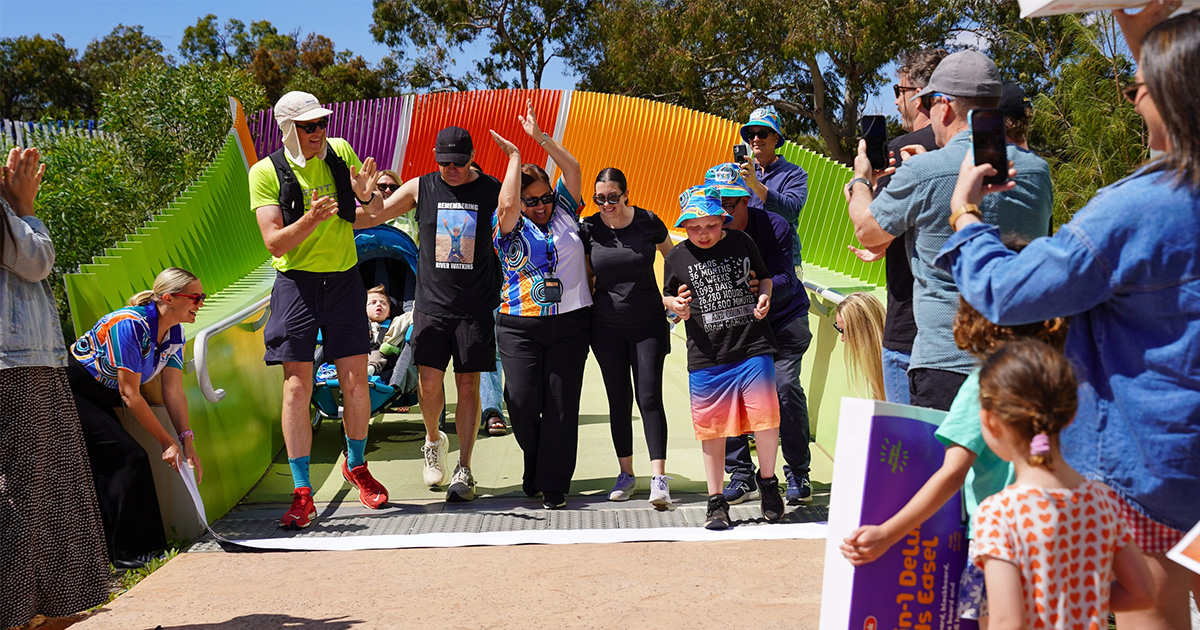
Our local legend, brain cancer researcher Jacob Byrne, has crossed the finish line of his final marathon, completing his Big Run for Little Brains - 30 marathons in 30 days, covering 1266km across Perth’s local government areas.