
Search
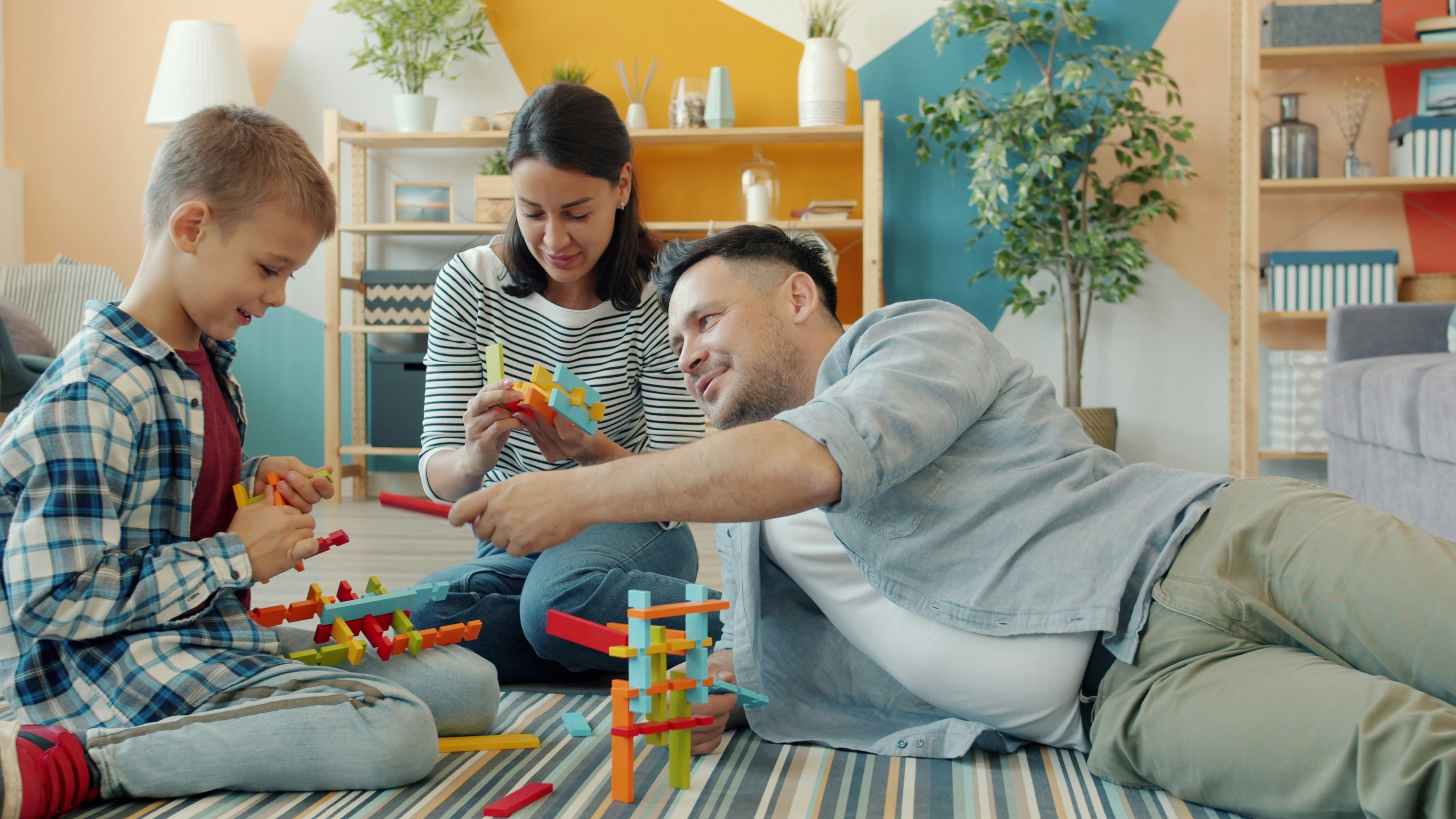
Receiving an autism diagnosis for your child can bring a wide range of emotions. For many families, it provides answers and validation, but it can also leave parents and caregivers wondering, What happens next? Where do we start?
Our award-winning 60 Second Science video series translates the latest research into an accessible format for the community. Here you will also find our Autism Seminar Series and videos about our clinical services and current research projects.
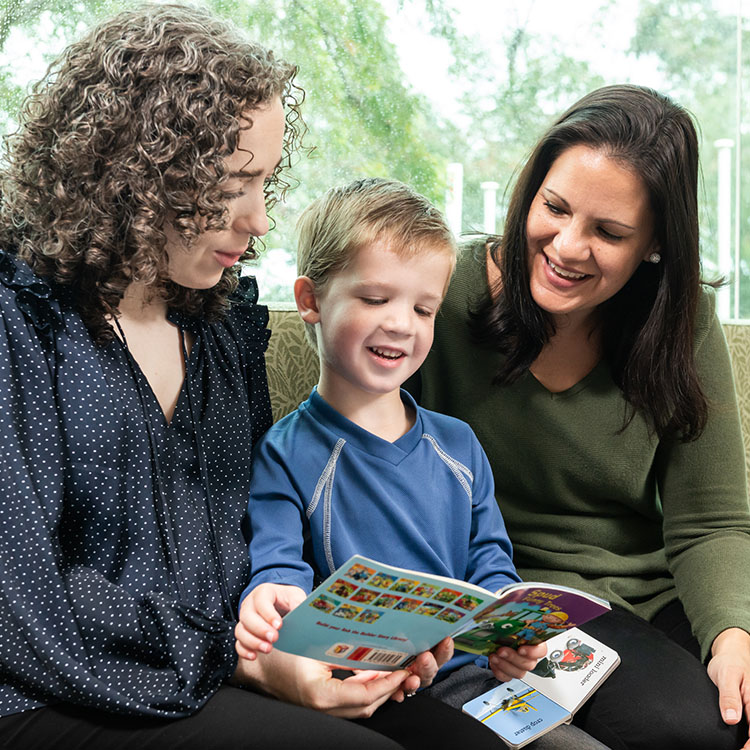
View our wide range of resources including fact sheets, and help understanding autism.
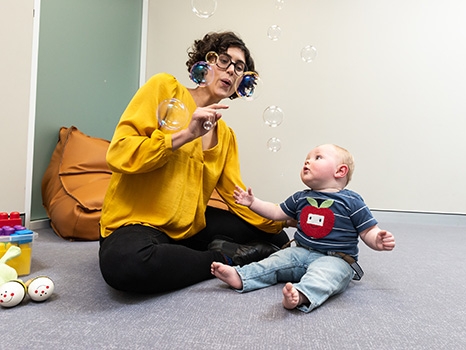
CliniKids has developed a range of fact sheets to support everyday activities at home. We've also included links to some resources and websites for parents and carers developed by other support services.
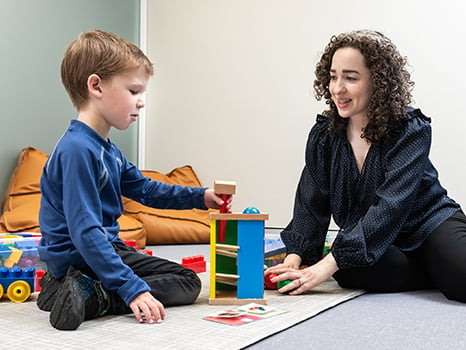
Autism is a complex developmental condition which results in differences in the way in which a person interacts, learns and behaves.
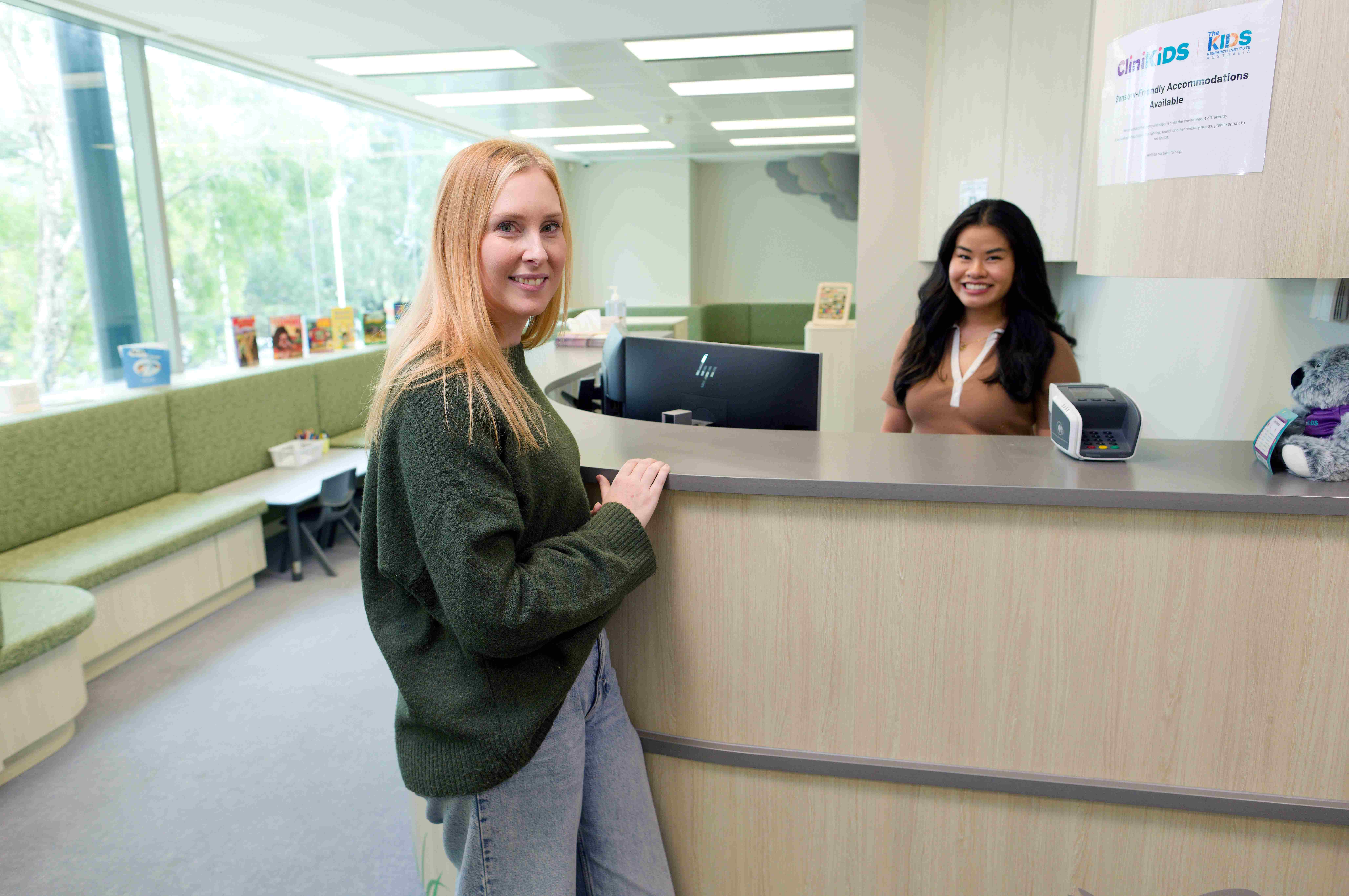
Thank you to all the families who took the time to complete the 2025 CliniKids clinic survey. We were overwhelmed by the level of support. Here are the main findings and some feedback about the possibility of using AI in our day-to-day operations.
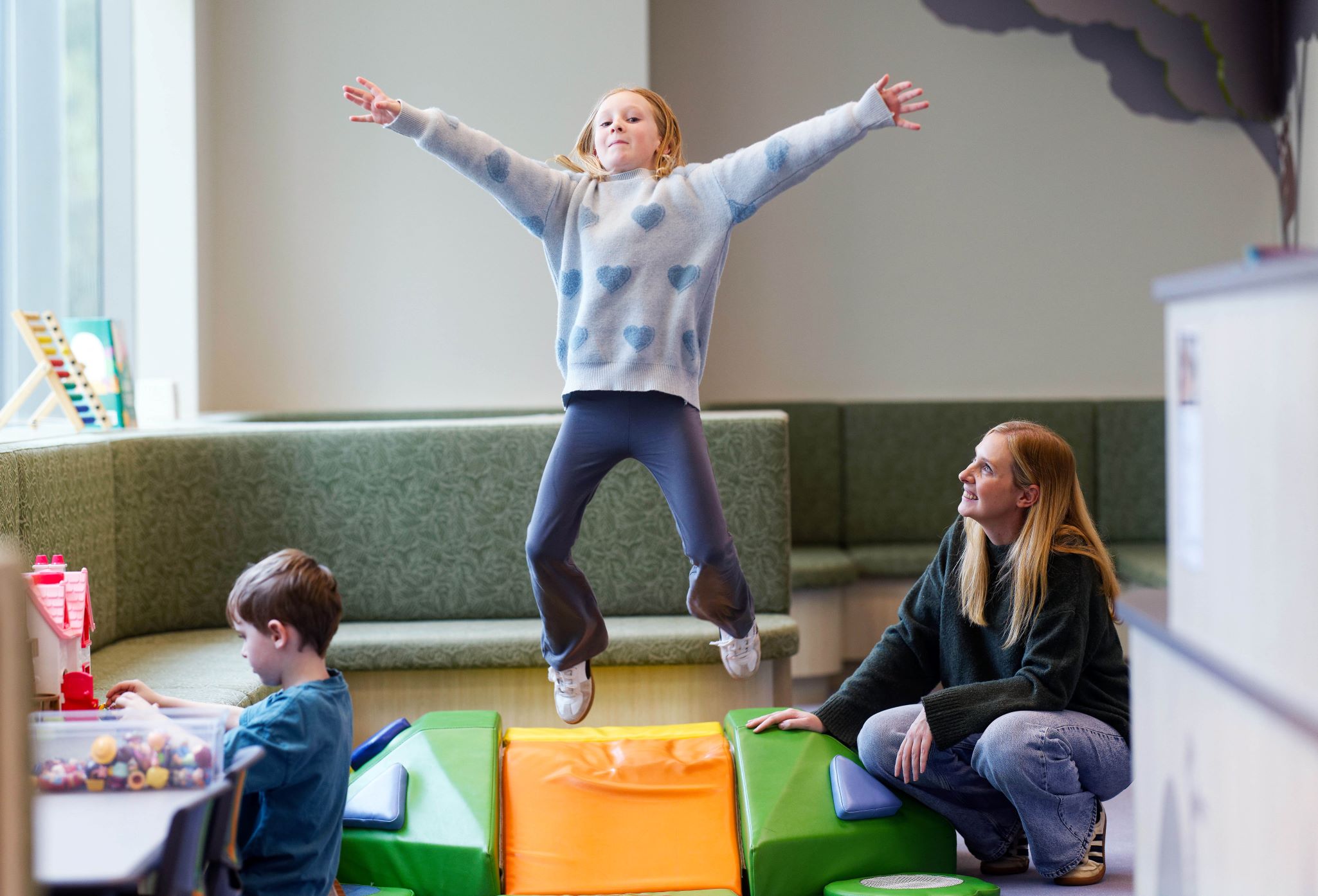
There is lots of news to report from the clinic including holiday shutdown dates, appointment scheduling, staff updates, and more.
Speech Pathology Week 2025 at CliniKids.
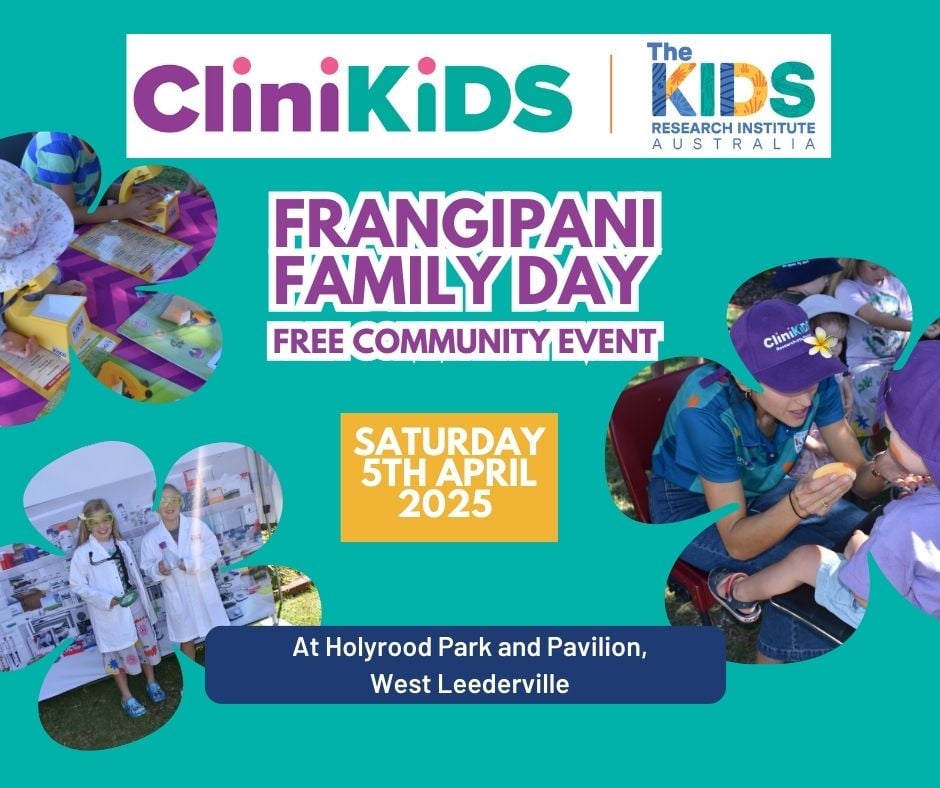
Frangipani Family Day is a free community event for young neurodiverse children and their families in WA.
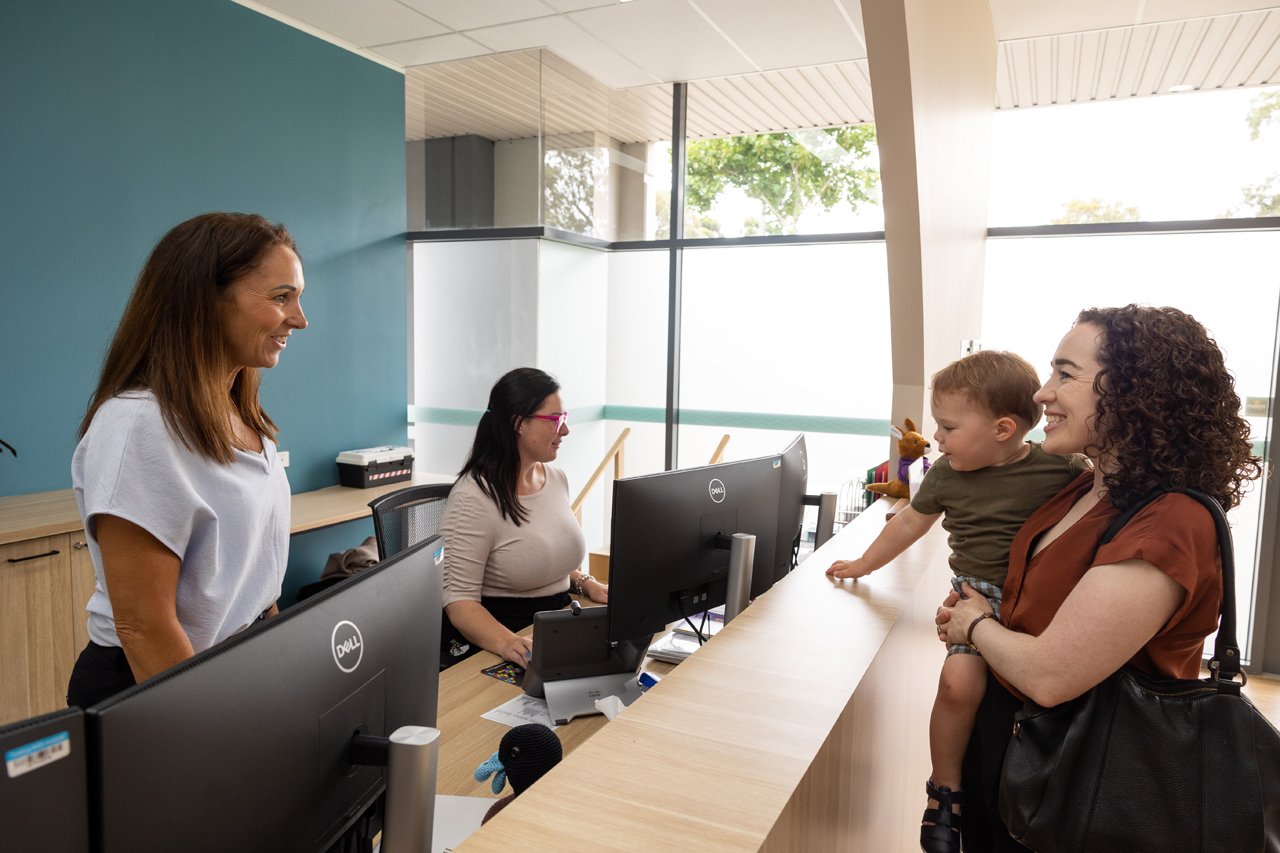
There is lots of news to report from the clinic including holiday shutdown dates, staff updates and service availability.