Search
Chronic suppurative otitis media (CSOM), sometimes referred to as chronic otitis media, is a chronic inflammation and often polymicrobial infection (involving more than one micro-organism) of the middle ear and mastoid cavity, characterised by ear discharge (otorrhoea) through a perforated tympanic membrane.
International guidelines recommend multidisciplinary intervention programs for addressing childhood obesity. In Western Australia, community-based healthy lifestyle programs for children and young people are insufficient for demand, especially for those over-represented in obesity statistics relating to prevalence. This protocol outlines the implementation and evaluation of an adapted, evidenced, community-based program in Perth, Western Australia.
Carcinogenic effects of ultraviolet radiation (UVR) with reference to skin cancer are the basis of widely implemented recommendations to avoid sun exposure. Whether the benefits of "restrictive sun policies" outweigh their potential harms due to diminished beneficial effects of sunlight exposure remain a matter of controversy.
National policies are essential for countries to adapt to the negative health impacts of climate change. Children are disproportionately affected by these impacts and must be at the heart of adaptation policies to address their vulnerabilities. Adaptation commitments worldwide are integrated into national adaptation plans, nationally determined contributions, national communications, and other multisectoral policies. We aimed to evaluate how effectively national climate change policies worldwide plan to protect child health, considering a range of determinants for successful child-health adaptation.
Sepsis, for children and their parents, is a life-altering illness with far-reaching psychosocial and physical impacts. We aimed to explore the needs of such patients and their parents after hospital admission for sepsis to inform the development of a Western Australian postsepsis care service.
Management and outcomes of children hospitalised with acute SARS-CoV-2 infection may differ throughout the pandemic or with admission type (clinical COVID-19, incidental COVID-19 or nosocomial infection).
Rates of several vaccine preventable diseases, and associated hospitalisation, are higher among Aboriginal and/or Torres Strait Islander children than non-Indigenous children. Western Australia has among the lowest childhood vaccine coverage in Australia, particularly among Aboriginal and/or Torres Strait Islander children. Delayed vaccination is also more common in this population. This project aimed to understand the barriers and facilitators to vaccine uptake and timeliness among Aboriginal and/or Torres Strait Islander children aged under five years in Boorloo (Perth).
Asthma affects > 10% of children in Australia and New Zealand (NZ), with up to 5% of those having severe disease, presenting a management challenge. We aimed to survey tertiary paediatric respiratory services across Australia and NZ using a custom-designed questionnaire, to conduct a cross-sectional observational study of the numbers of children with problematic severe asthma seen, the number treated with biologic therapy, outpatient clinic/multidisciplinary team services available, investigations and tools routinely used and approaches utilised for transition to adult care.
Impaired oxygen delivery or blood flow to the brain around the time of birth can cause injury. Hypoxic ischaemic encephalopathy is a leading cause of death and disability in term and near-term infants.
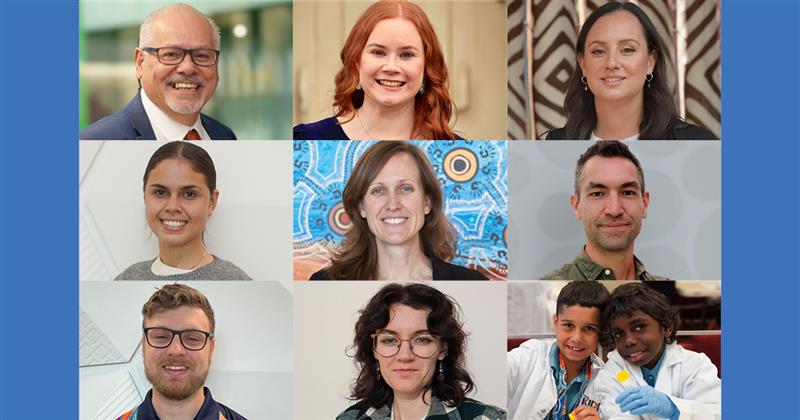
Eight outstanding researchers from The Kids Research Institute Australia and the Institute-led Broome STEM Festival are finalists in the 2025 Premier’s Science Awards.