
Search
Natural outdoor environments provide important settings for children to engage in physical activity. It is unclear if these relationships also exist in preschool aged children. We examined associations between amount and type of neighbourhood vegetation and blue space, proximity to the beach and preschooler's device-measured movement behaviours.
Adaptations for scale-up are ubiquitous but are rarely described in detail. Adaptations may be a key reason for the "scale-up penalty" which is when there is a reduction in intervention effect size following scale-up. The Play Active intervention consists of a physical activity policy for early childhood education and care (ECEC) services, with accompanying implementation support strategies.
We examined the moderating effects of parent perceptions of the neighbourhood environment on associations between objectively measured neighbourhood environment attributes and physical activity among pre-schoolers. The number of neighbourhood parks was positively associated with pre-schooler energetic play when parents had above average perceptions of access to services.
Knowledge of developmental trends in meeting age-specific 24-hour movement behaviour guidelines is lacking. This study describes developmental trends in device-measured physical activity and sedentary time over a three-year period among Western Australian children aged two to seven years, including differences between boys and girls.
The prevalence estimates of physical activity, sedentary behavior, and sleep (collectively known as movement behaviors) in 3- and 4-year-old children worldwide remains uncertain.
Policy interventions to increase physical activity in early childhood education and care (ECEC) services are effective in increasing physical activity among young children. However, a large proportion of ECEC services do not have nor implement a physical activity policy.
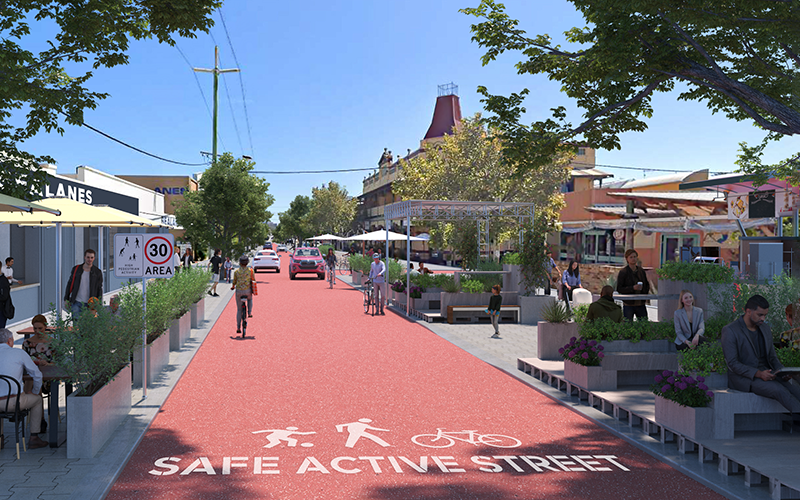
Researchers have identified 10 Australian shopping strips where the removal of on-street parking would transform the area’s liveability.

Four The Kids Research Institute Australia researchers from a diverse range of fields have been named as finalists for the prestigious 2022 Premier’s Science Awards.
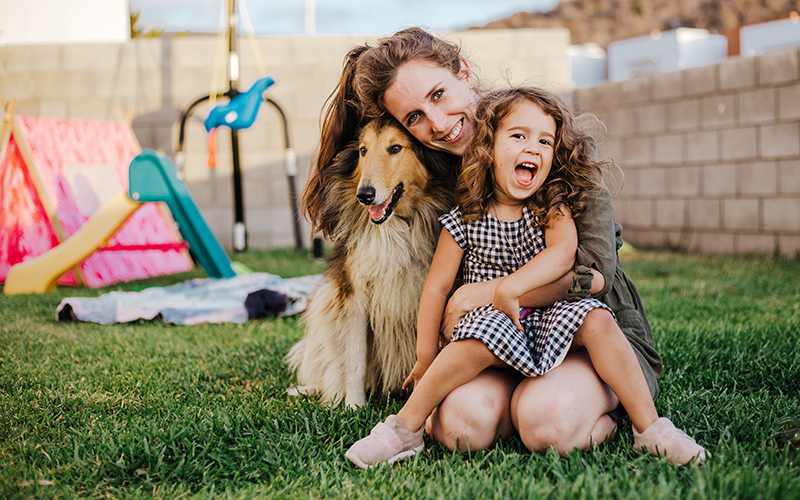
Researchers exploring the potential health benefits of pets have found children who regularly walk and play with a family dog are more active, have less screen time, and sleep more.
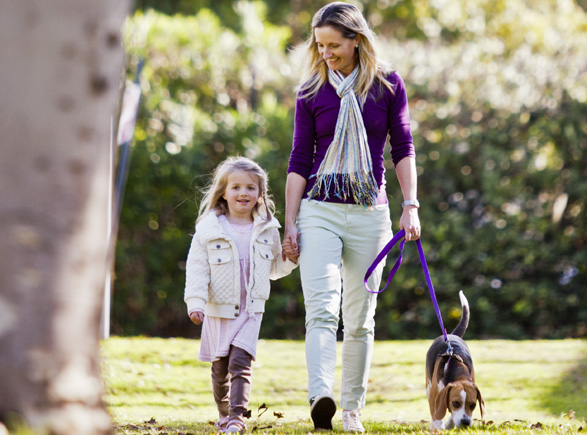
A new study has highlighted the positive impact dog ownership has on our mental health.