
Search

Australia's RSV Maternal and Infant Protection Program is delivering strong protection for babies, with new research from The Kids Research Institute Australia showing RSV vaccination given during pregnancy reduces the risk of RSV-related hospitalisation by more than 80 per cent during an infant's first six months

Six scientists from The Kids Research Institute Australia have been named finalists across four categories in the 2026 Premier's Science Awards.
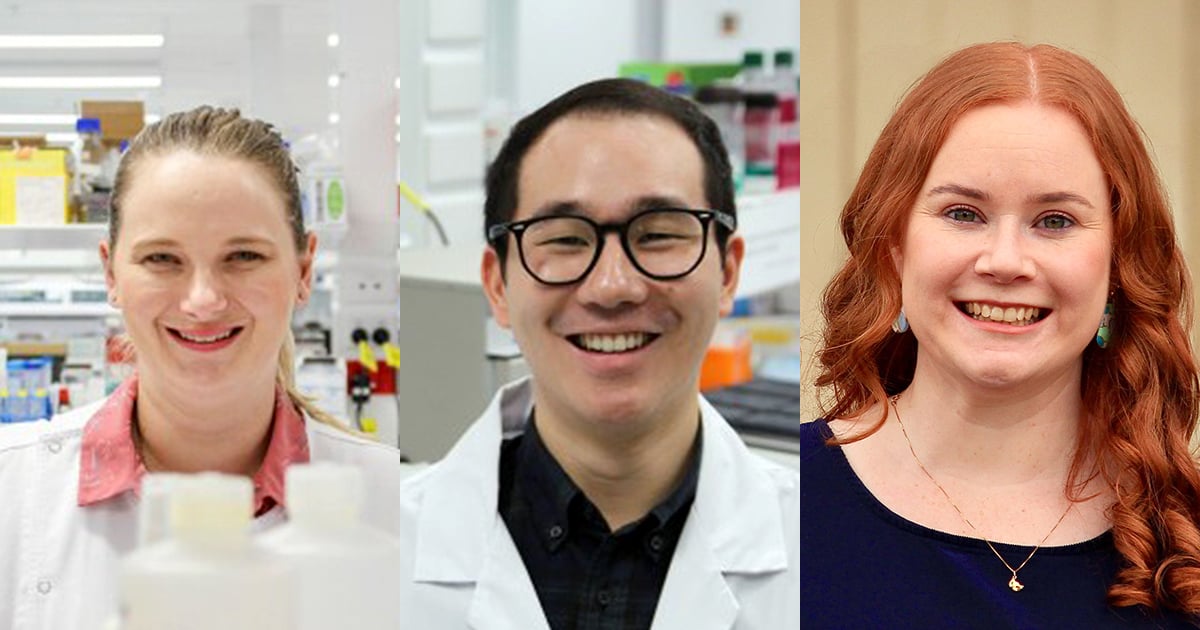
Three emerging research projects advancing the Wesfarmers Centre of Vaccines & Infectious Diseases' (WCVID) flagship research priorities have this week received a major funding boost through the latest WCVID Catalyst Grants.
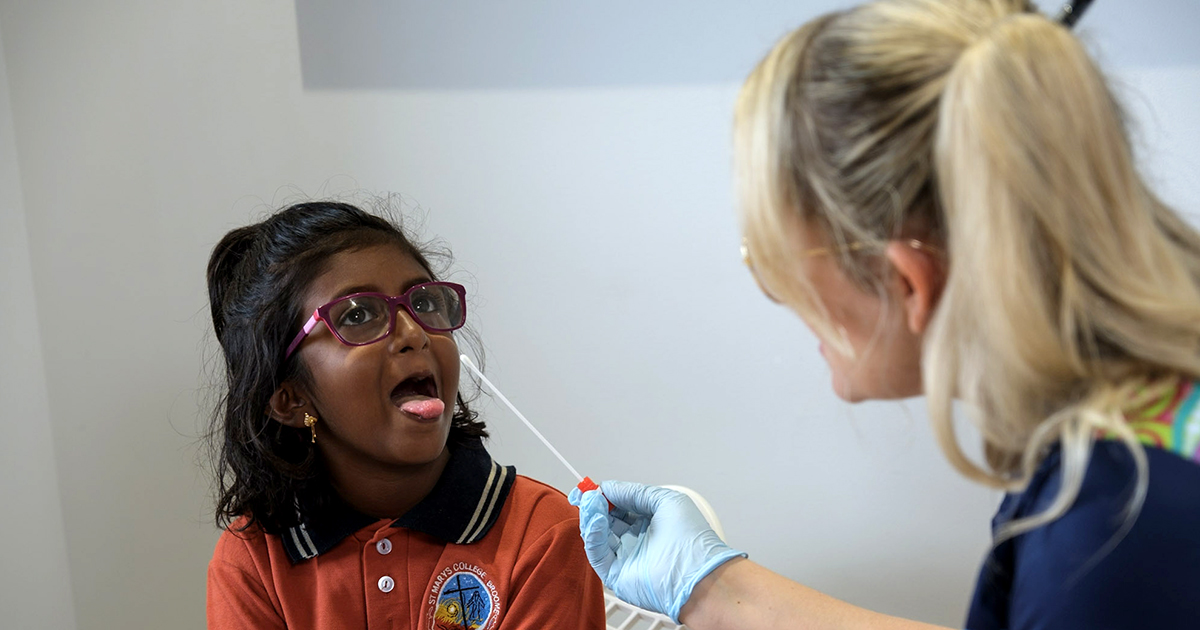
New research has revealed that molecular point-of-care testing (POCT) can significantly improve detection of Group A Streptococcal (Strep A) pharyngitis compared to laboratory culture – particularly in remote communities, where results can take up to seven days – unlocking a major opportunity to prevent rheumatic
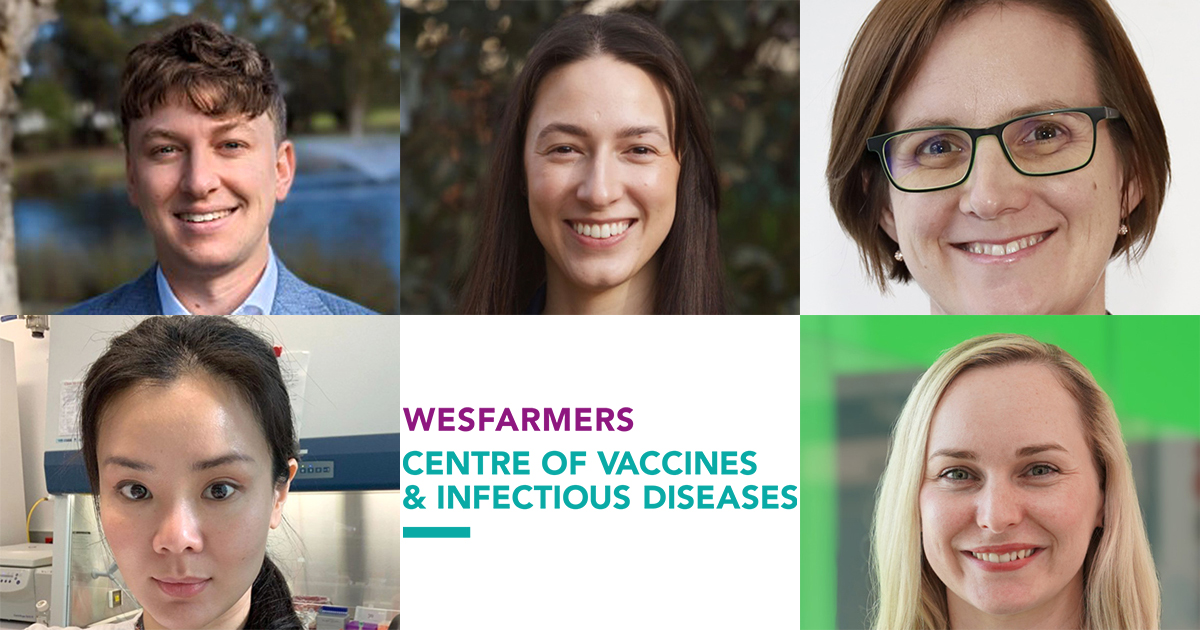
Congratulations to Alec Truswell, Tamara Veselinović, Anastasia Phillips, and Wenna Lee for being awarded Seed Funding through the Wesfarmers Centre of Vaccines & Infectious Diseases, each valued at up to $25,000, and to Sonia McAlister, the recipient of the 2026 Riley Hughes Memorial Award in Pertussis Research.
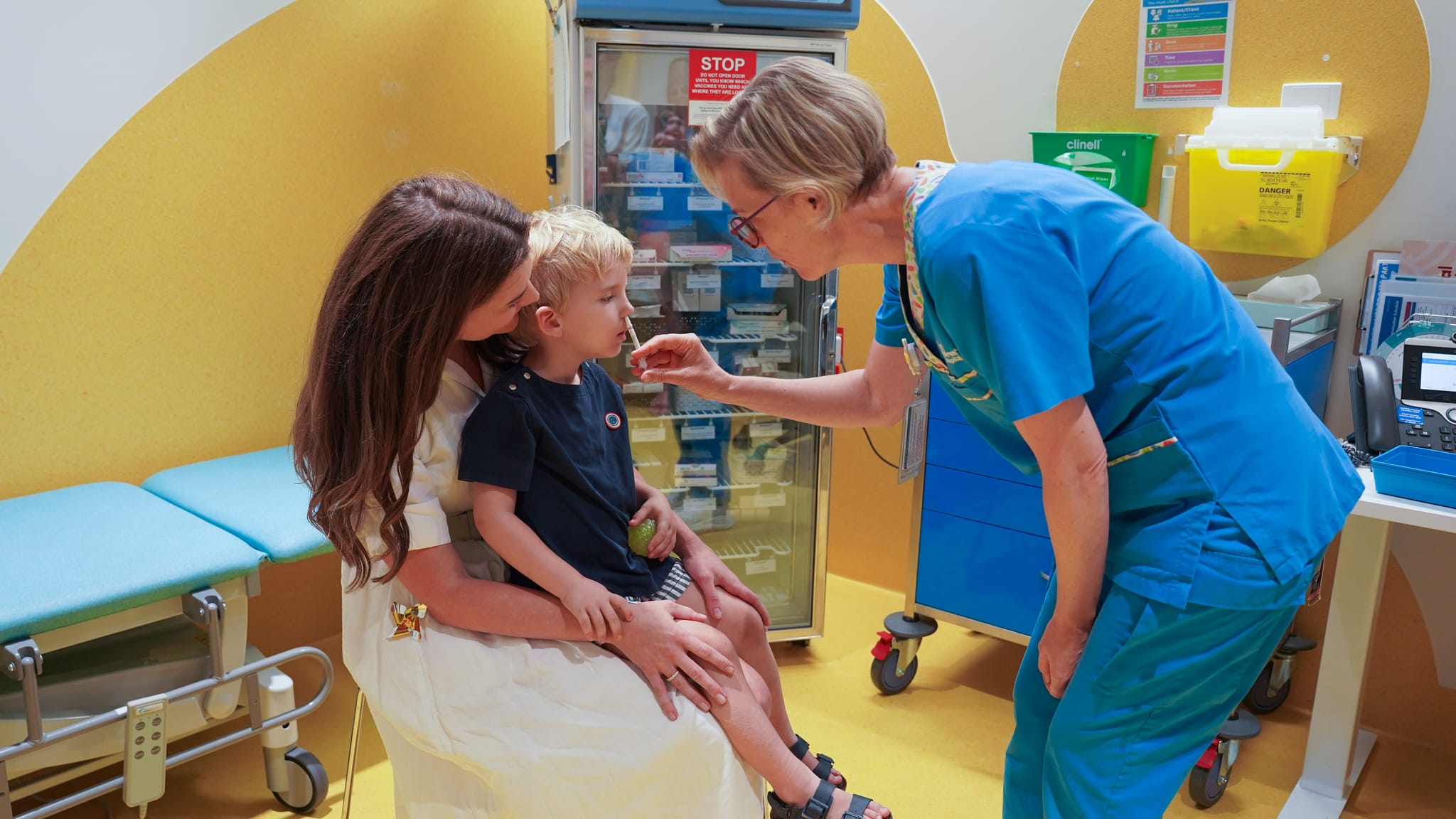
Researchers at The Kids Research Institute Australia hope an Australian-first nasal spray vaccine for two to 11-year-olds will boost flu vaccination this winter.

Aboriginal families across Western Australia are being equipped with the knowledge to take early action against potentially life-threatening skin infections thanks to the launch of a Strong Skin phone app.
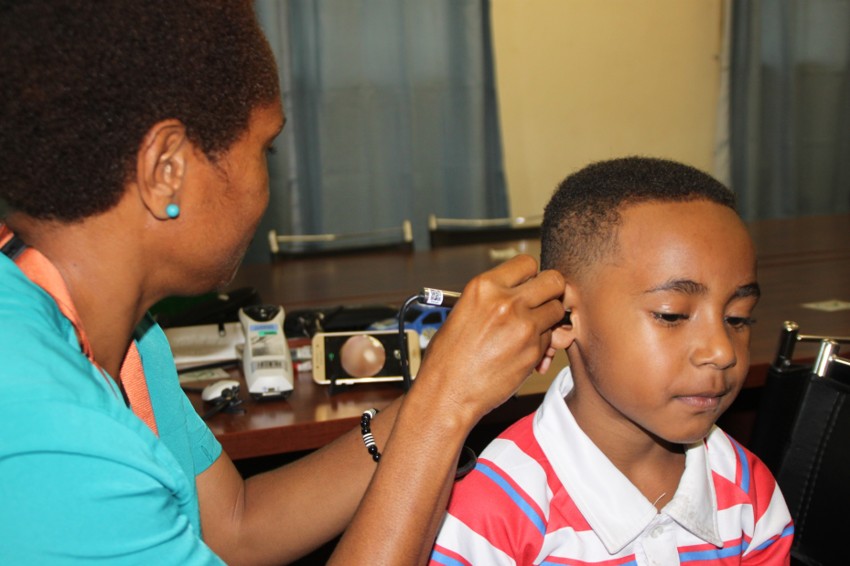
The first ever comprehensive study to estimate the prevalence of otitis media (OM) in Papua New Guinea (PNG) has revealed some of the world’s highest rates of childhood middle ear disease.
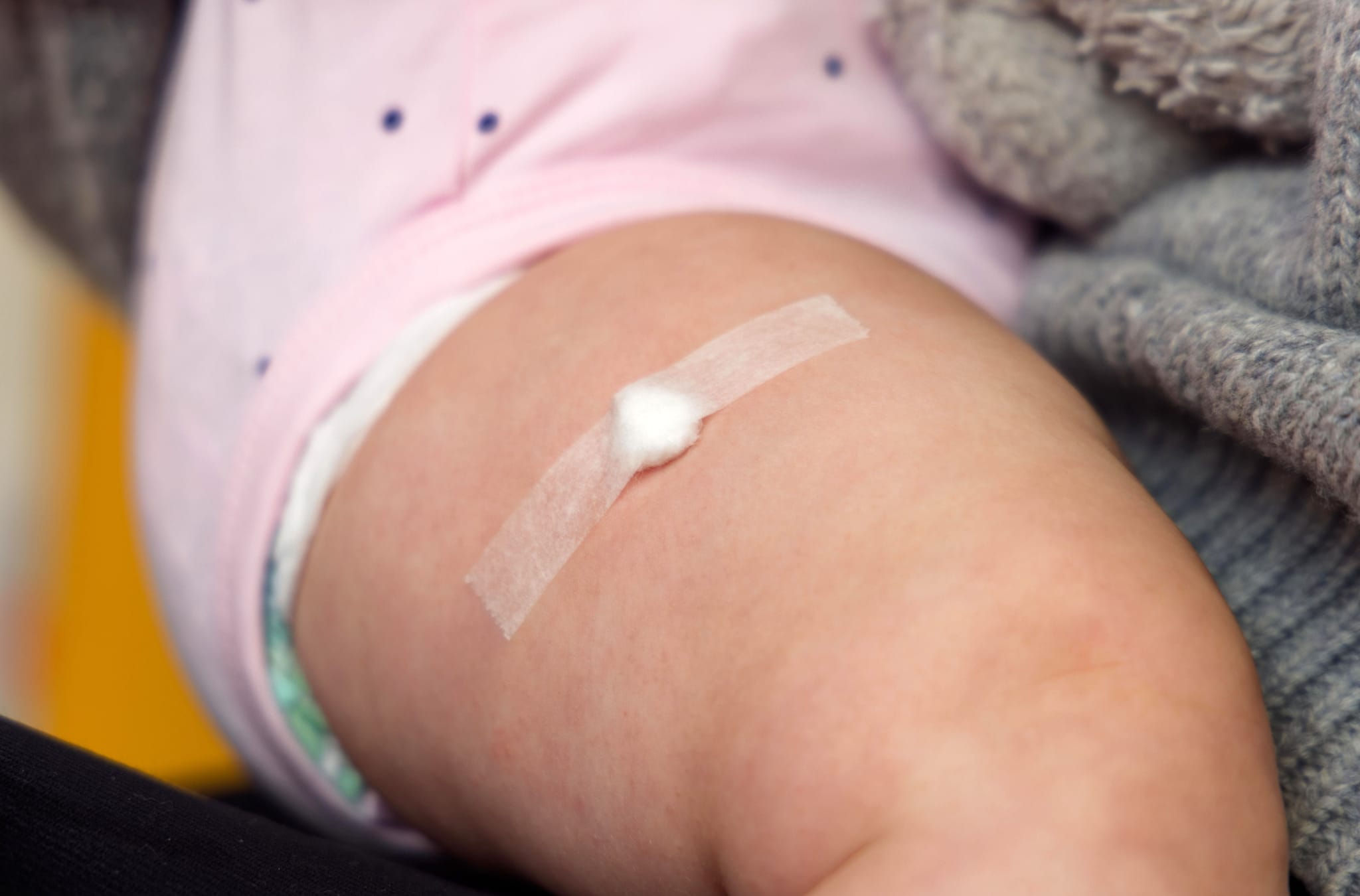
10,000 families participating in research by The Kids Research Institute Australia have demonstrated the effectiveness of a simple text message for increasing the number of children receiving their vaccinations on time.

Innovative research aiming to prevent the spread of Strep A using ‘friendly’ bacteria in the throat has received a $1.5 million boost in the latest round of National Health and Medical Research Council grants.