
Search

STopping Acute Rheumatic Fever Infections to Strengthen Health (STARFISH) brings together a diverse and multidisciplinary research team to investigate the most effective environmental health initiatives (EHIs) aimed at reducing Strep A infections and prevent Acute Rheumatic Fever (ARF).
Outputs from the Strep A Burden of Disease Working Group
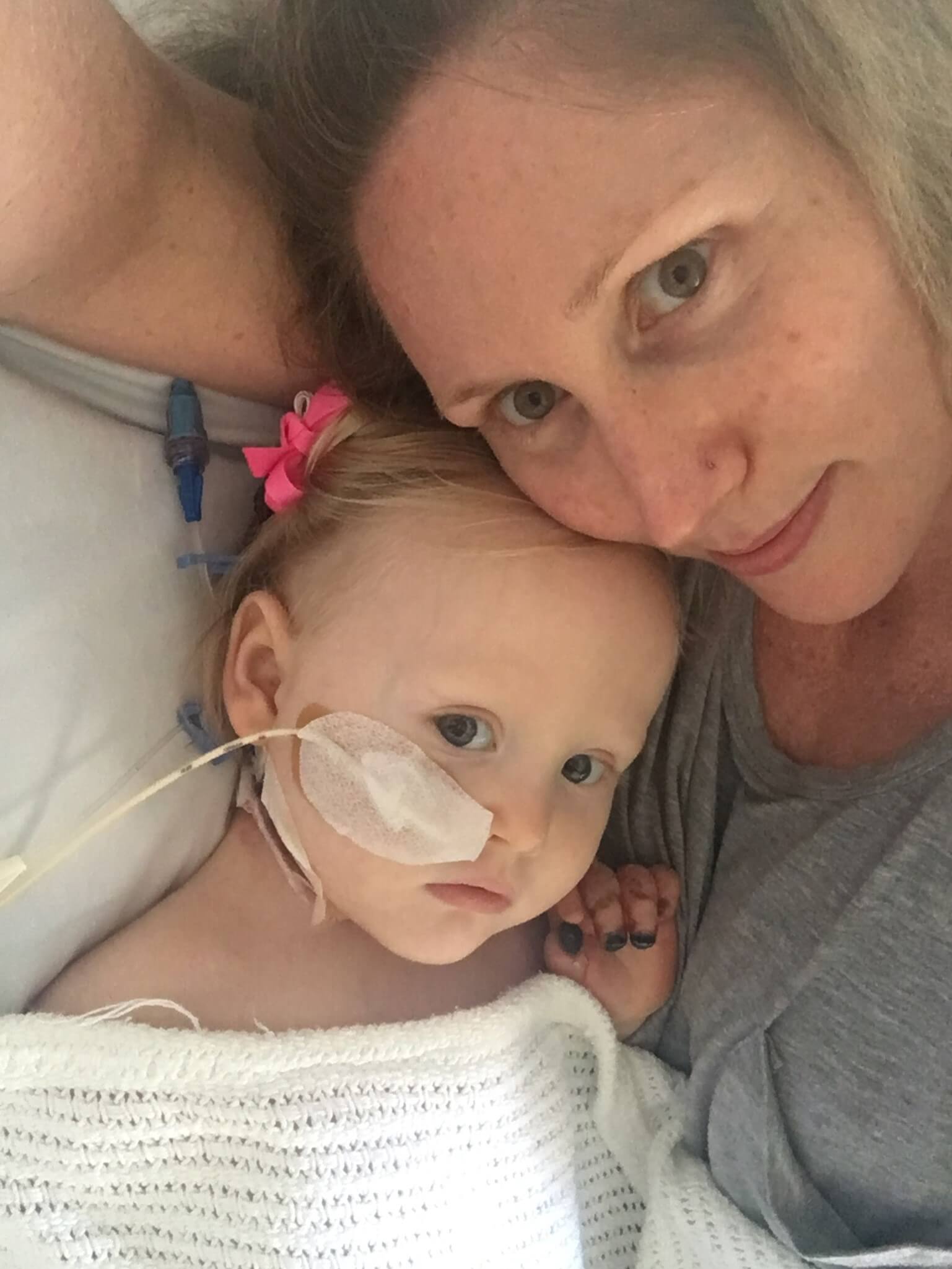
"I had never heard of invasive Streptococcus A disease before, and I was shocked to hear that it is actually three times more common than meningococcal disease and just as deadly yet there is no vaccine to protect against it."
Latest news & events at the Wesfarmers Centre of Vaccines & Infectious Diseases.
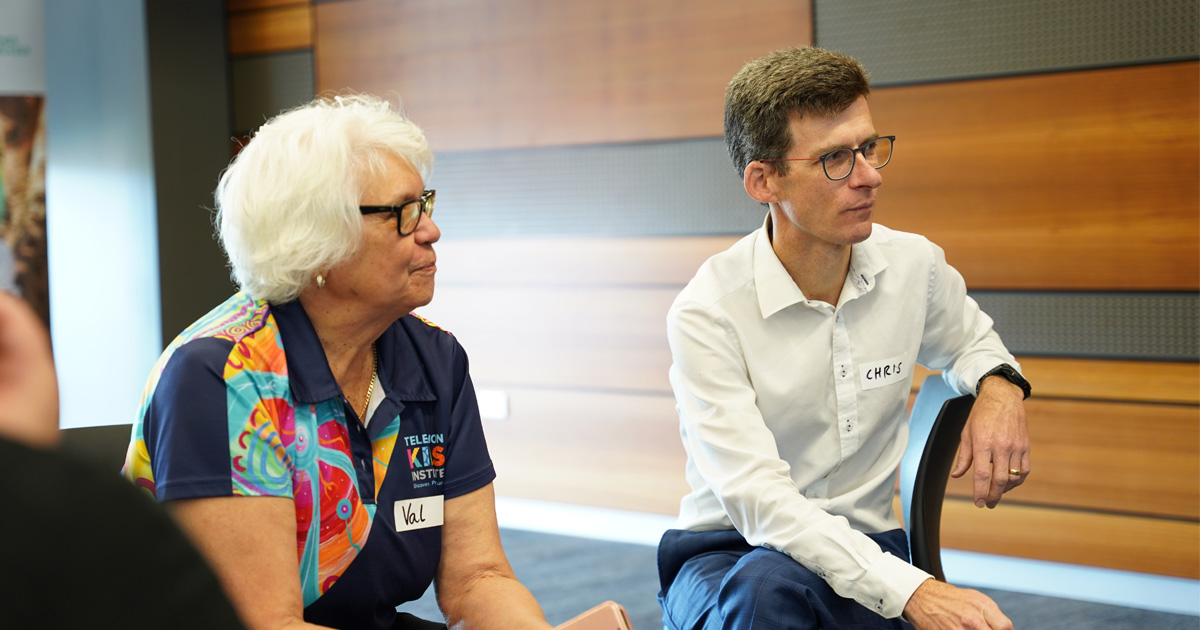
Researchers from the Wesfarmers Centre of Vaccines and Infectious Diseases at The Kids Research Institute Australia have shared their expertise with the community in Cockburn, covering topics ranging from respiratory disease in babies to recurring ear infections in kids.

Clinical Professor Tobias Strunk, Dr Andrew Currie and their Neonatal Infection and Immunity Team have become the newest members of the Wesfarmers Centre of Vaccines and Infectious Diseases.
The transmission of Group A Streptococcus (Strep A) through respiratory droplets has been considered the dominant mode of transmission to date; however, little is known about the relative contribution of other modes of transmission. This review systematically summarises the contemporary evidence regarding the transmission of Strep A.
Although Streptococcus pyogenes (Strep A) is the sixth-most common infectious disease globally, its transmission within the household remains an understudied driver of infection. We undertook a systematic review to better understand the transmission of Strep A among people within the home, while highlighting opportunities for prevention.
Streptococcus A is a bacterium often found in the throat and on the skin.
This review aims to systematically identify contextual and mechanistic factors that contribute to the success or failure of implementing effective HCs in the prevention and early detection of chronic diseases among Aboriginal and Torres Strait Islander people in Australian primary health care (PHC).