
Search
Hannah Peter Moore Richmond OAM BSc (Hons) GradDipClinEpi PhD MBBS MRCP(UK) FRACP Head, Infectious Diseases Research Head, Vaccine Trials Group 08

Congratulations to three outstanding The Kids Research Institute Australia researchers who have received second chance WA health funding designed to support researchers who have narrowly missed out on highly competitive national funding.
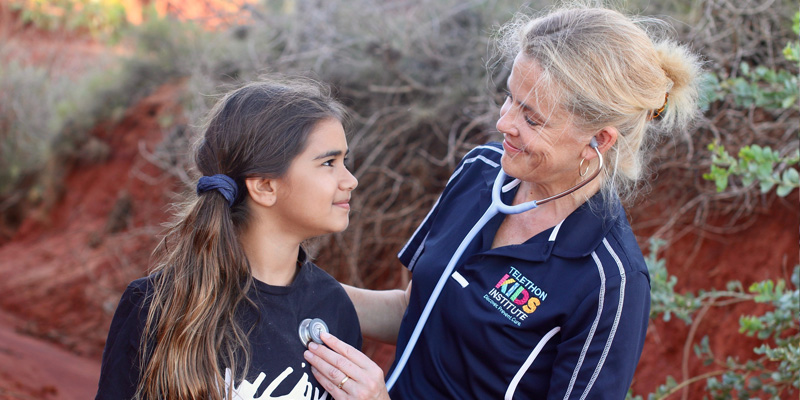
Almost one in five children across four remote Kimberley communities has some form of chronic lung disease, according to a new study co-designed and conducted in partnership with Aboriginal communities.
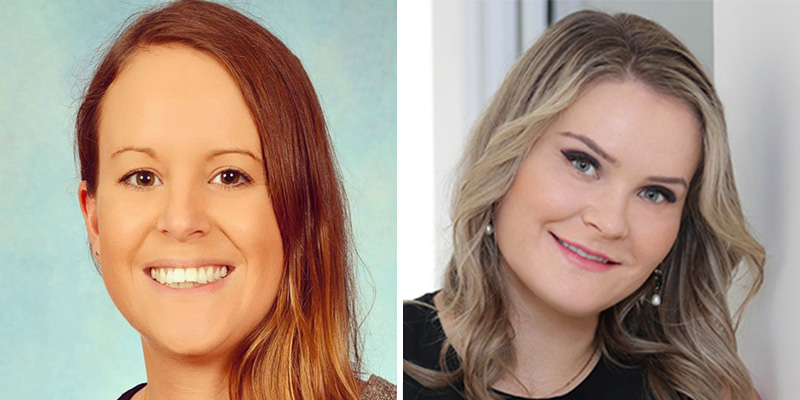
Two researchers focused on improving outcomes for children with chronic lung disease and averting suicide contagion and suicide clusters in young people have won prestigious Investigator Grants from the National Health and Medical Research Council.
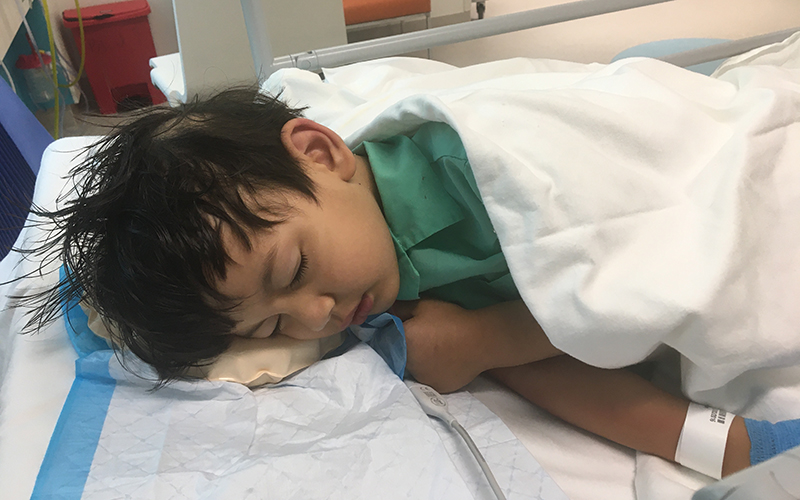
Charlie, 6, has ended up in hospital twice with invasive Strep A infection over his short lifetime – the first time when just three years old.

The urgency for a world-first respiratory syncytial virus vaccine is at an all-time high.
Respiratory syncytial virus (RSV) is a significant cause of respiratory infections in young children. Since 2021, RSV has been a notifiable disease in Australia. However, current surveillance systems focus on hospitalised RSV, with limited surveillance at a community level through primary care clinics. This approach only captures RSV requiring hospitalisation. Less severe illnesses, while not captured, may have significant social and economic impacts including the associated cost of care and absenteeism. The aim of this study is to establish an understanding of the broader burden of RSV in young children in a community setting.
Australia introduced a hybrid Respiratory Syncytial Virus (RSV) Maternal and Infant Protection Program (RSV-MIPP) in 2025, using National Immunisation Program-funded RSV vaccine for pregnant people from 28 weeks' gestation and jurisdiction-funded nirsevimab. We estimated real-world effectiveness and assessed the impact of the RSV-MIPP program across a participating surveillance network.
Belaynew Christopher Peter Hannah Minda Huong Taye Blyth Richmond Moore Sarna Le MD, MPH, PhD MBBS (Hons) DCH FRACP FRCPA PhD MBBS MRCP(UK) FRACP OAM
Respiratory infection and wheezing illness are leading causes of hospitalisation in childhood, placing a significant burden on families and healthcare systems. However, reliably distinguishing children at risk of developing persistent disease from those likely to outgrow their symptoms remains a clinical challenge. Earlier identification would allow clinicians to focus care and resources on those most likely to benefit from long-term management, while reducing anxiety and uncertainty about the future for families.