
Search
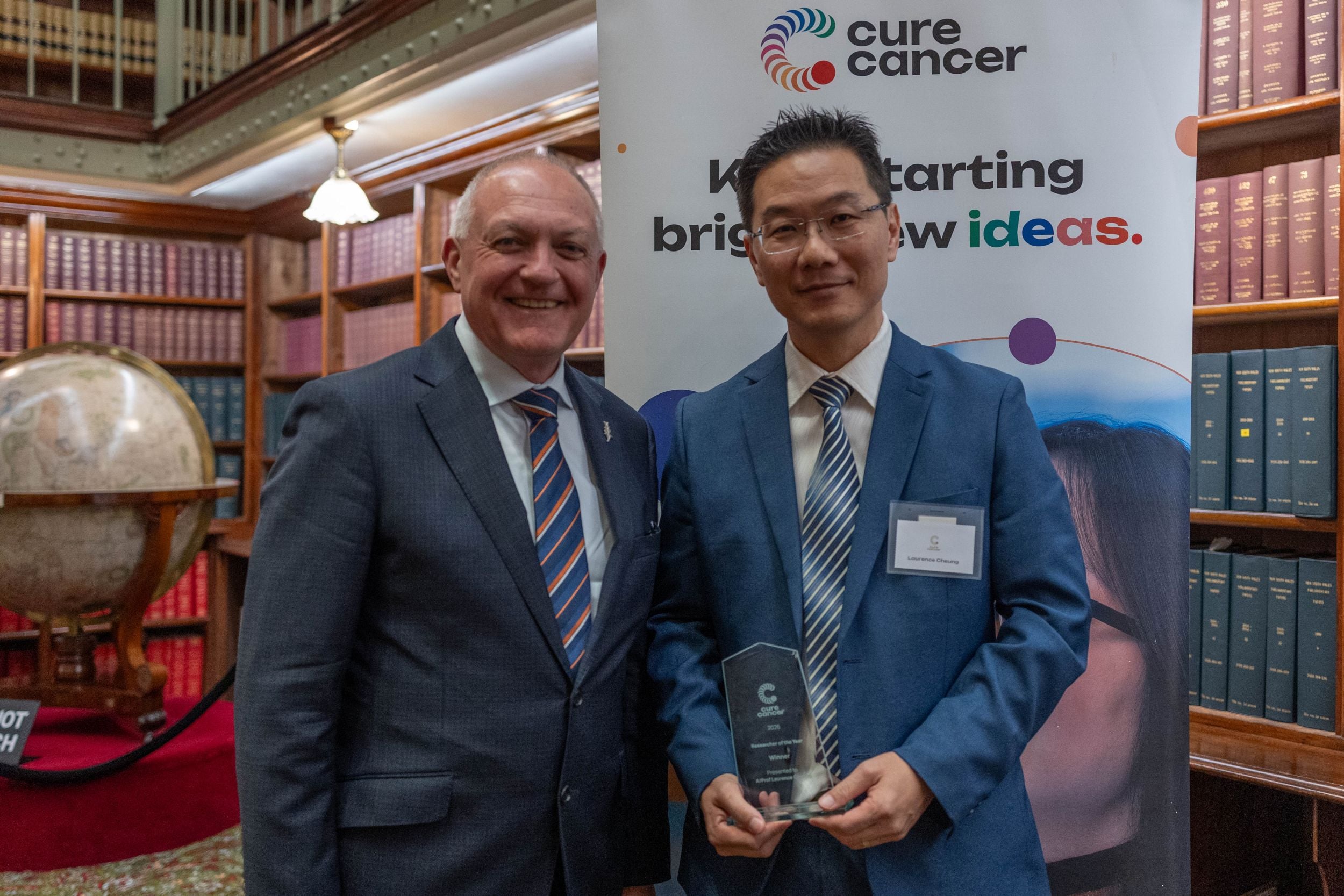
A leading WA cancer researcher has been named the Cure Cancer 2026 Researcher of the Year for his groundbreaking work in paediatric leukaemia.
Dr Jessica Buck, a researcher at The Kids Research Institute Australia Cancer Centre and a Kamilaroi woman, is on a mission to address the unique challenges faced by Aboriginal and Torres Strait Islander children with cancer.
Despite national and global reports of rising incidences of cancer affecting children and young people, a new analysis has found rates of childhood cancer have remained unchanged over the last 30 years in South Australia and the Northern Territory.
A world-first study involving more than 100 cancer researchers and clinicians across Australia – including from The Kids Research Institute Australia and Perth Children’s Hospital – has shown that precision medicine can significantly improve outcomes for children with high-risk cancer.
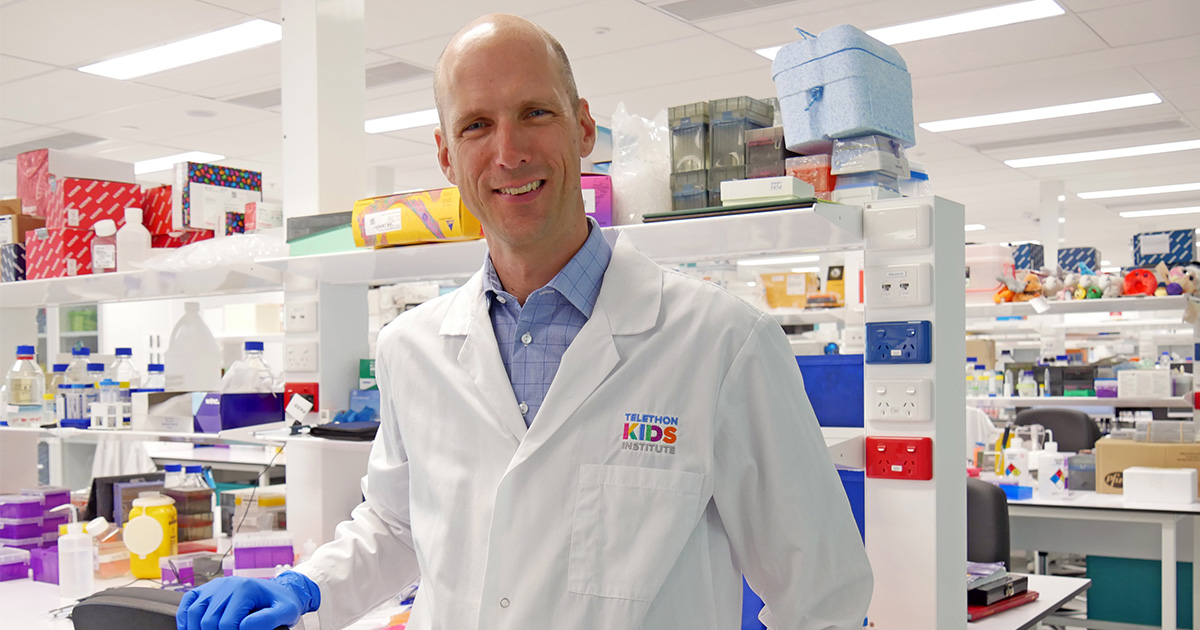
Researchers dedicated to developing the first cancer immunotherapy tablet have been boosted by a $374,000 CUREator top-up funding grant.
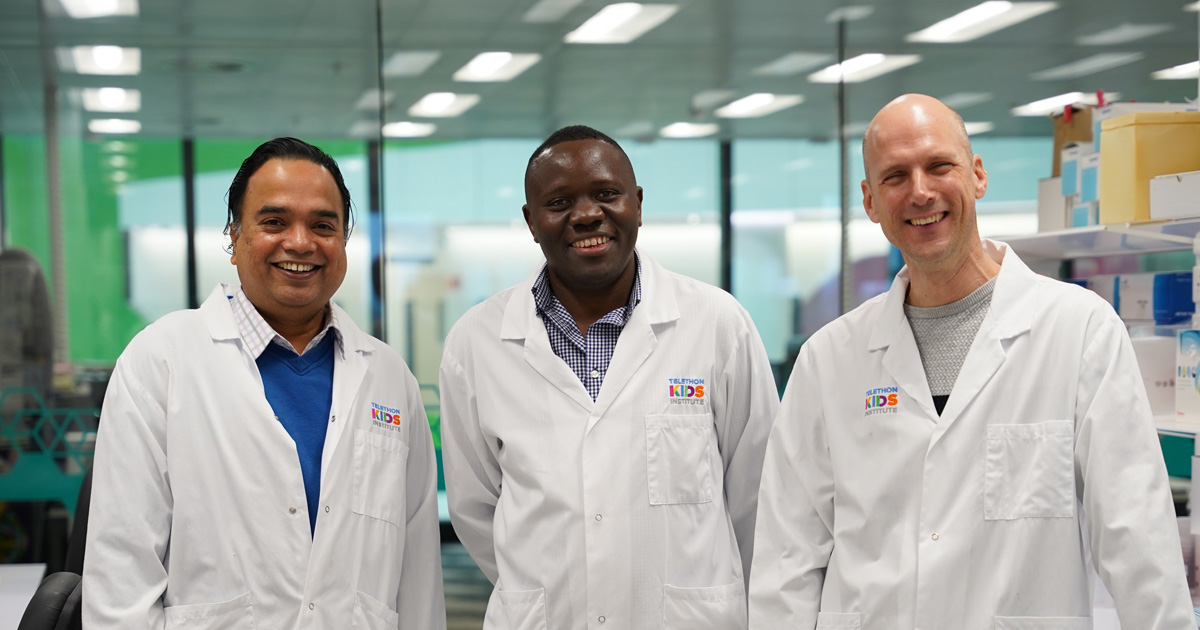
Newly published research from The Kids Research Institute Australia and The University of Western Australia has found a gel applied during surgery to treat sarcoma tumours is both safe and highly effective at preventing the cancer from growing back.
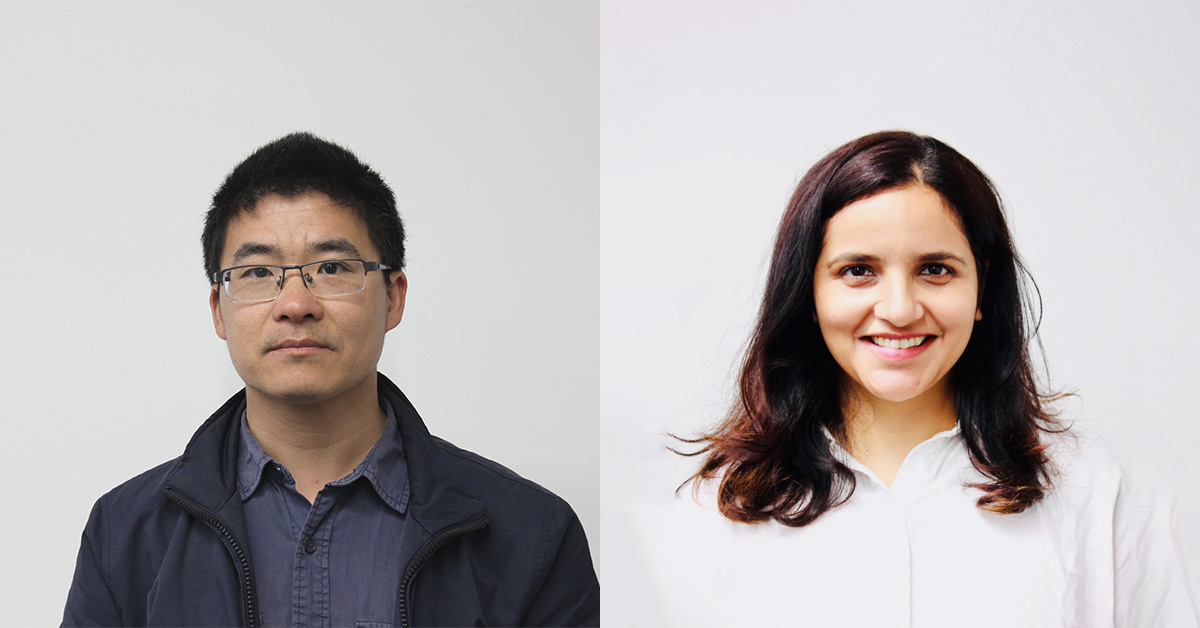
Two The Kids Research Institute Australia researchers have been awarded prestigious grants from the Raine Medical Research Foundation for projects in childhood cancer and newborn infection control.
The generous support of West Australians through Channel 7’s Telethon Trust will help support crucial child health research at The Kids Research Institute Australia in 2022.
Cancer researchers have narrowed-down the field of immunotherapy drugs which could be used to tackle a form of childhood brain cancer.
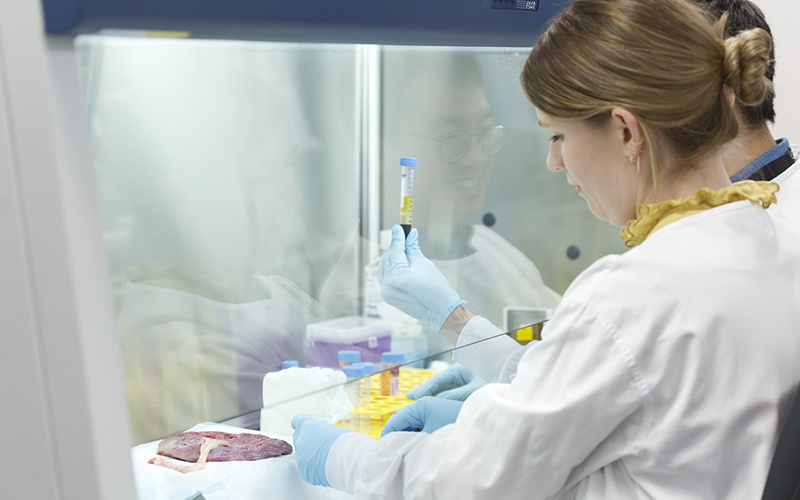
Four The Kids Research Institute Australia-based biobanks which underpin a range of cancer, respiratory and early life research have received more than $450,000 in funding.