
Search
The Australian Guide to the Diagnosis of fetal alcohol spectrum disorder (FASD), developed in 2016, is currently under review. This study aimed to understand how the Guide is used in practice and identify factors influencing its implementation.
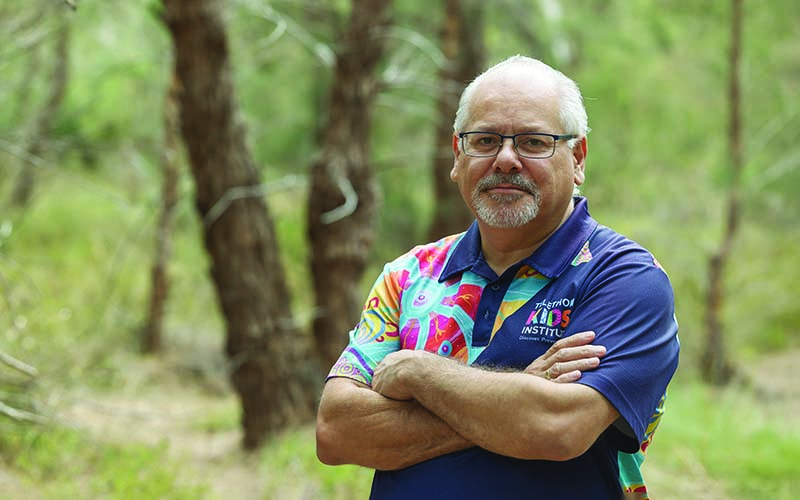
The Kids Research Institute Australia has been among a growing number of voices passionately advocating for an overhaul of the way young people in detention are managed in Western Australia.
Fetal Alcohol Spectrum Disorder (FASD) is a lifelong condition characterised by severe neurodevelopmental impairment due to prenatal exposure to alcohol.
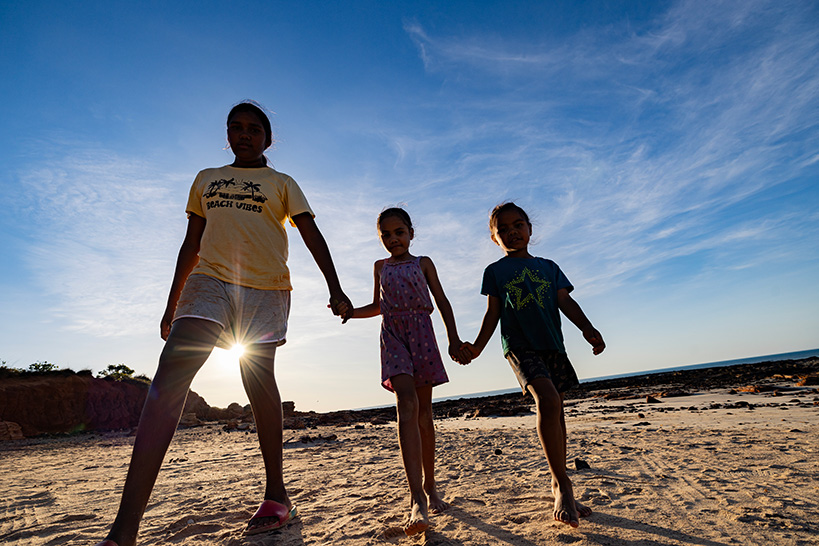
Aboriginal health is everyone's business. The needs of Aboriginal and Torres Strait Islander families and kids is integrated into all relevant areas of our work. Improving the health and wellbeing of Aboriginal and Torres Strait Islander kids and families is an overarching priority for every team at The Kids.
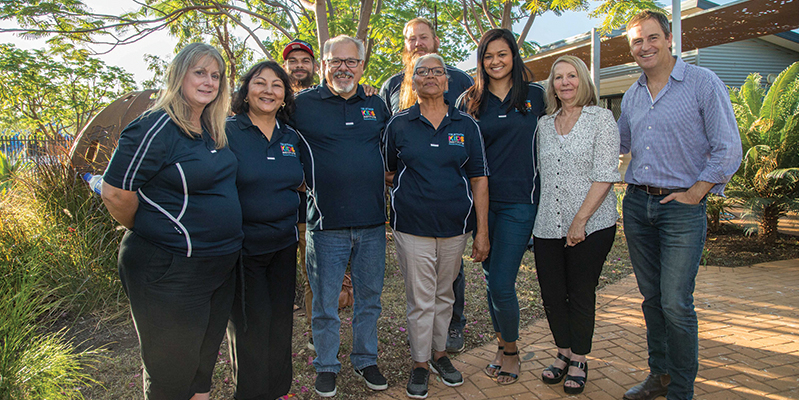
A $5 million commitment from BHP has allowed The Kids researchers and Aboriginal communities to make FASD history in the Pilbara.
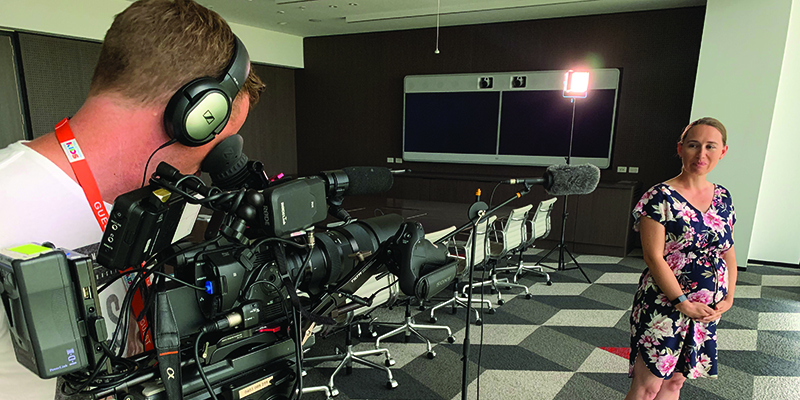
A screening tool to help midwives and other health professionals contribute to the prevention of FASD is changing maternity practice across WA public hospitals.
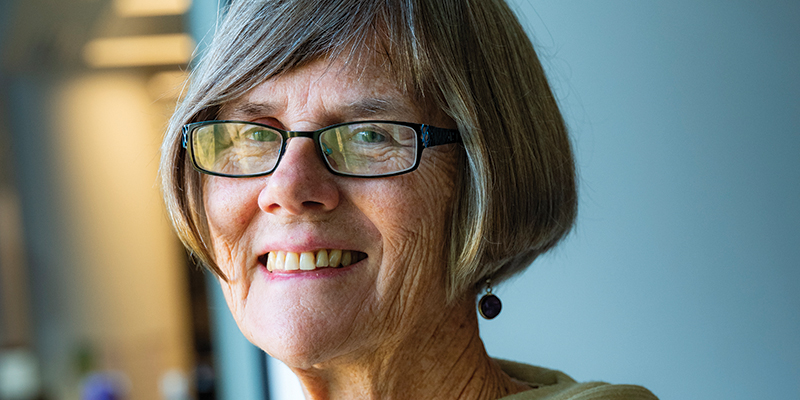
Following strong evidence and lobbying by The Kids Research Institute Australia researchers and others, labels to warn women about the risks of drinking during pregnancy are to become mandatory on all alcohol sold in Australia and New Zealand.

Researchers into fetal alcohol spectrum disorder (FASD) have welcomed the Federal Government’s announcement of a ten-year national action plan that will drive efforts to reduce the impact of FASD on individuals, families and communities.
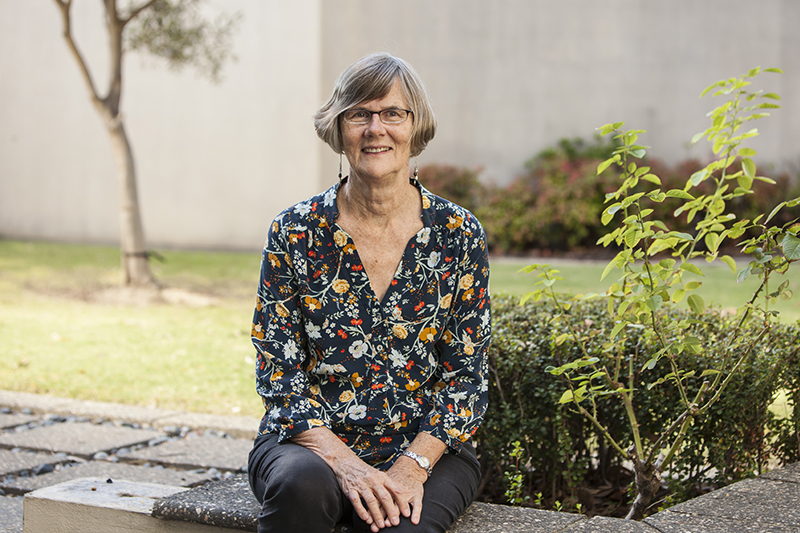
Hundreds of delegates from around Australia, Canada and New Zealand arrive in Perth this week to discuss the latest knowledge about fetal alcohol spectrum disorder (FASD) at the 2nd Australasian FASD Conference 2018.
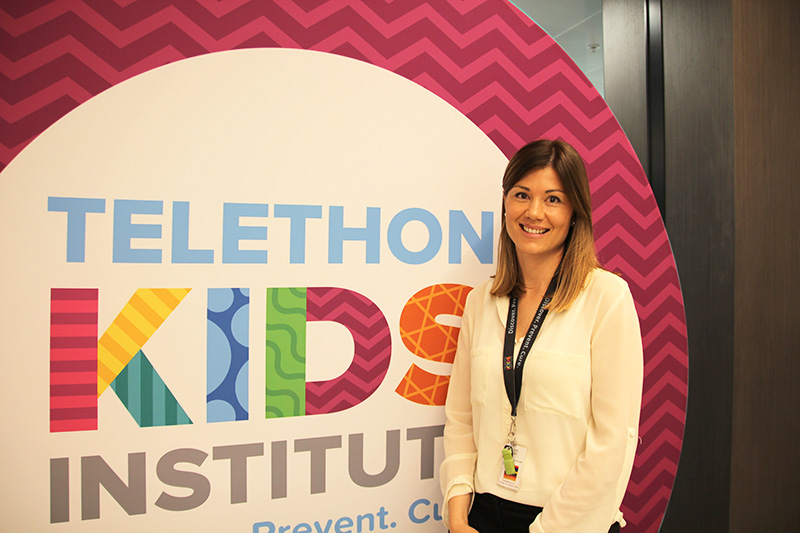
A study revealing significant levels of language difficulty among detainees at the Banksia Hill Detention Centre underscores the need for more support for young people trying to navigate the justice system, The Kids Research Institute Australia researchers say.