
Search
Christopher Kefyalew Hannah Blyth Alene Moore MBBS (Hons) DCH FRACP FRCPA PhD BSc, MPH, PhD OAM BSc (Hons) GradDipClinEpi PhD Centre Head, Wesfarmers
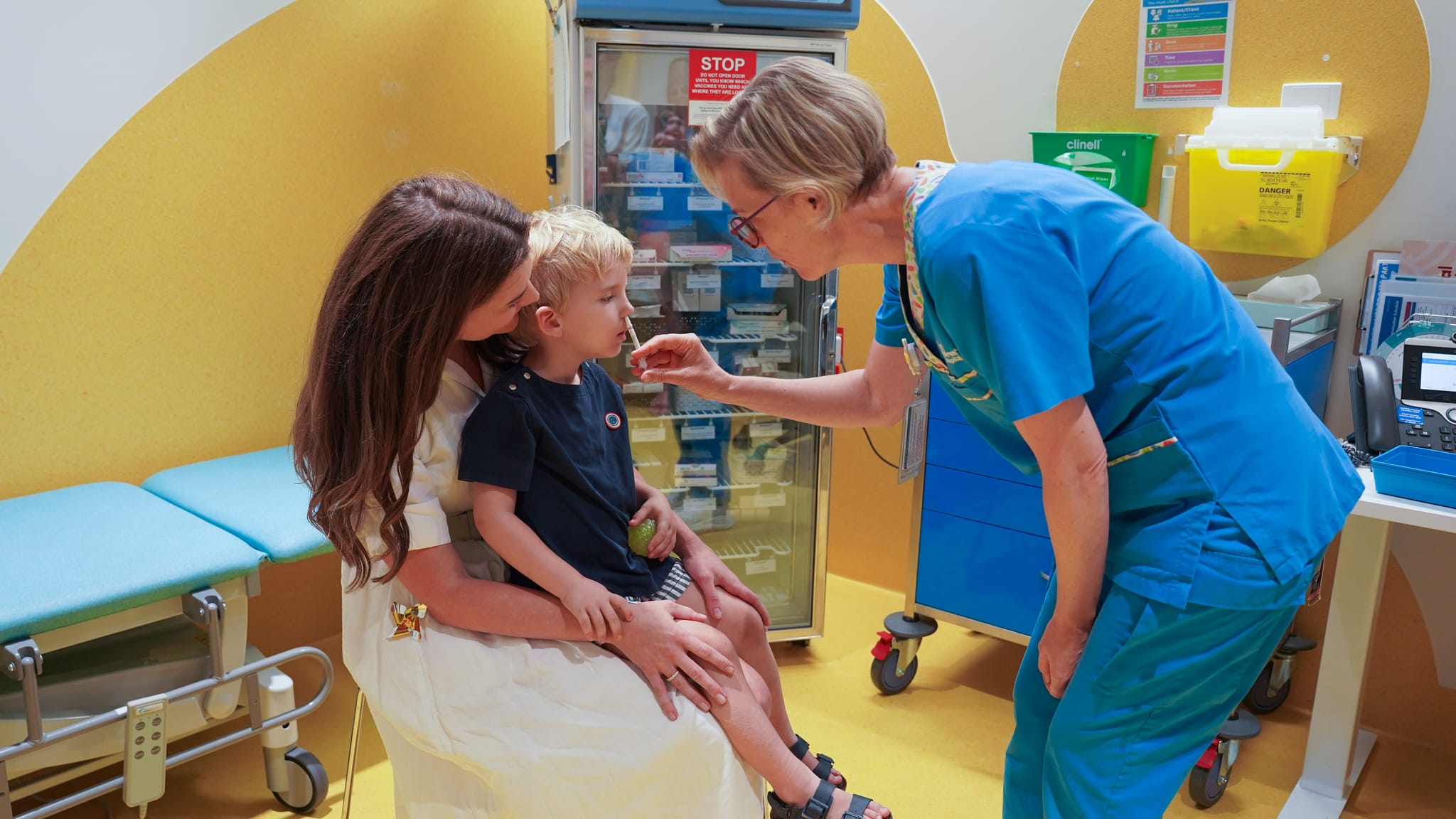
Researchers at The Kids Research Institute Australia hope an Australian-first nasal spray vaccine for two to 11-year-olds will boost flu vaccination this winter.

Up to 40,000 influenza cases could be prevented in Western Australia this winter if more primary school-aged children were vaccinated, researchers at The Kids Research Institute Australia have found.

The FluBub Study will investigate whether giving the flu vaccine much earlier than the six months currently recommended by the National Immunisation Program will protect babies at the greatest risk of a severe influenza infection when they are most vulnerable.
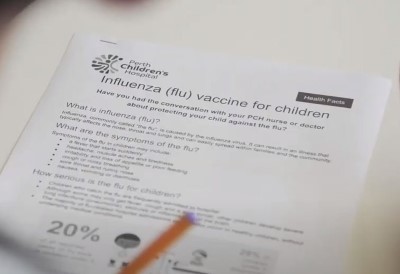
Western Australia has experienced historically low levels of respiratory syncytial virus (RSV) and influenza this winter due to the public health measures implemented to prevent the spread of COVID-19.
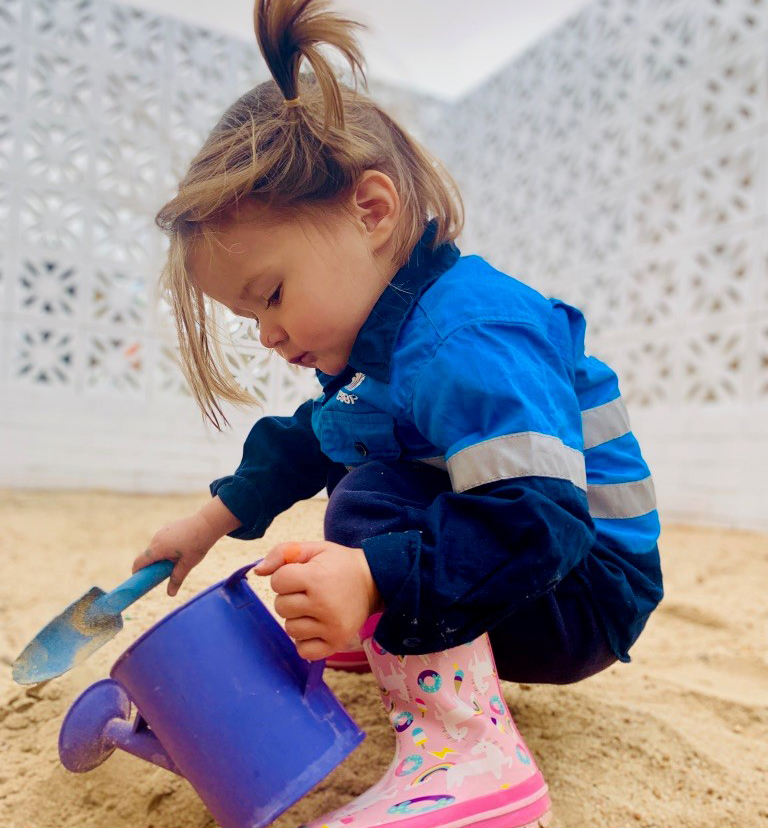
At just two years old, Lucy lost her fight against flu. With your generous help, we can finally beat influenza.

New research investigating the devastating impact of the 2017 flu season by PAEDS-FluCAN, a national collaboration observing influenza in children, confirmed it was time to take action after thousands of children were hospitalised with the virus last year.
People are being urged to ensure they've had their vaccination with the 'flu season expected to hit in Western Australia within weeks.
Latest news & events at the Wesfarmers Centre of Vaccines & Infectious Diseases.
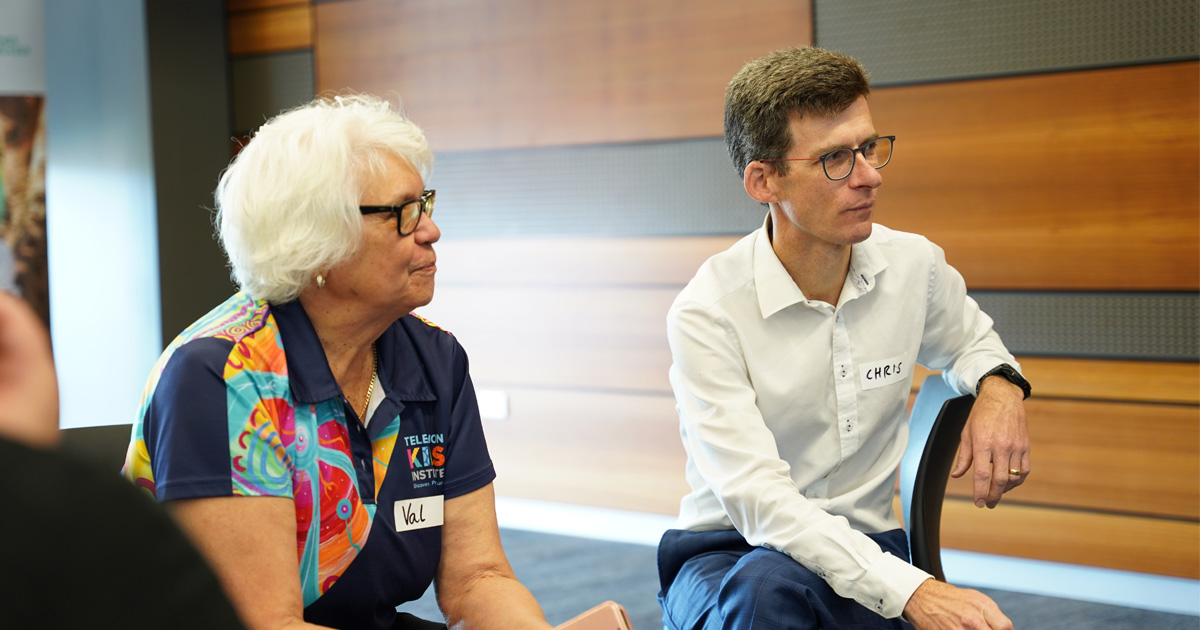
Researchers from the Wesfarmers Centre of Vaccines and Infectious Diseases at The Kids Research Institute Australia have shared their expertise with the community in Cockburn, covering topics ranging from respiratory disease in babies to recurring ear infections in kids.