
Search
Tobias Strunk MD, PhD, FRACP Head, Neonatal Health tobias.strunk@thekids.org.au Head, Neonatal Health Clinical Professor Tobias Strunk is a
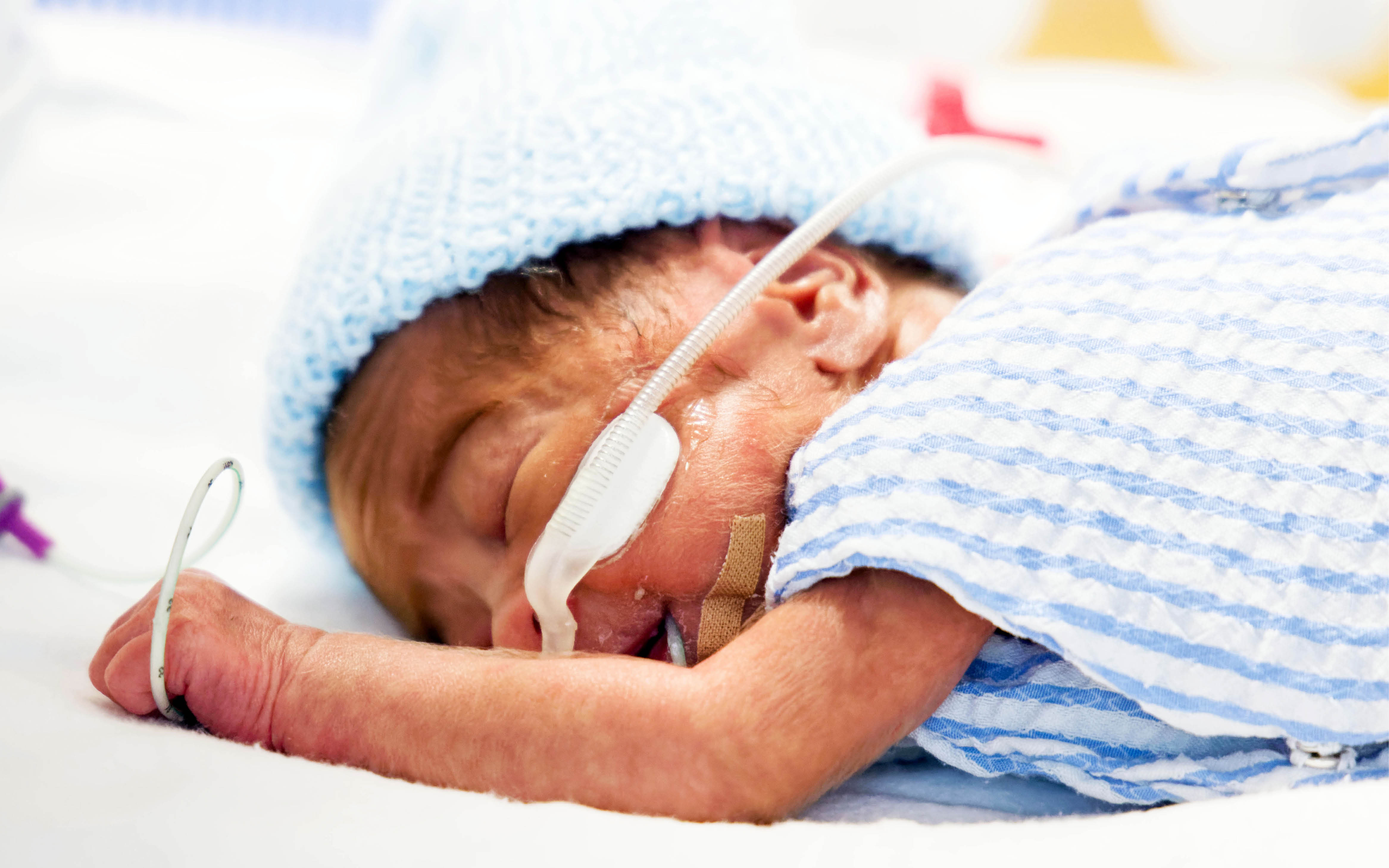
Preterm babies have a heightened risk of infection as their immune system is not mature. The Neonatal Health Team is exploring new ways to diagnose, prevent and treat infections in WA's smallest patients .
The abundant skin commensal, Staphylococcus epidermidis, is the leading cause of late-onset sepsis (LOS) in preterm infants but rarely causes infections in term infants and adults. Staphylococcal virulence mechanisms and the role of the preterm immune responses in driving these life-threatening infections remain poorly understood.
Recent studies have shown that PTX is compatible with a wide range of intravenous medicines used in NICU settings2–4; however, the compatibility of PTX with inline intravenous filters or syringe filters used in aseptic compounding facilities has not previously been reported.
Heat-inactivated probiotics (HPs) may provide an effective alternative to live probiotics by avoiding their risks (eg, probiotic sepsis) while retaining the benefits. We assessed the safety and efficacy of a HP in very preterm (VP: gestation <32 weeks) infants.
Skin care for very and extremely preterm infant is an important and previously underappreciated topic. Coconut oil skin care for preterm infants is a promising option, but several important questions remain including the theoretical potential for allergic sensitization.
Preterm infants are commonly treated with antibiotics on admission to the neonatal unit as part of routine care. We aimed to identify infants <32 weeks' gestation at low risk of early-onset sepsis (EOS) in whom antibiotics could be safely withheld.
The neonatal skin is central to early survival and immune development. Far from being a passive mechanical barrier, it integrates physical, chemical, and microbial defences that together protect the infant in the immediate postnatal period. In preterm infants, structural immaturity, reduced antimicrobial capacity, and altered microbial colonisation confer heightened vulnerability to infection and inflammation.
Impaired oxygen delivery or blood flow to the brain around the time of birth can cause injury. Hypoxic ischaemic encephalopathy is a leading cause of death and disability in term and near-term infants.
Antibiotic exposure in neonatal intensive care units (NICU) is high. This study describes antibiotic use in very preterm infants and examines the association between duration of exposure and outcomes in blood culture negative (CN) infants.