
Search
Emotional resilience is an individual difference dimension, reflecting variation in the degree to which people show better or worse emotional well-being relative to what is predicted based on stressor exposure. Given that young adults commencing university studies commonly encounter a broad range of potential stressors, understanding the mechanisms that underpin emotional resilience could inform strategies for optimising student emotional well-being.
Despite decades of research, misconceptions about developmental dyslexia remain widespread among those responsible for identifying and supporting affected children. Identifying the nature and persistence of these beliefs is essential to improving practice and policy. We conducted a scoping review to map the understanding of developmental dyslexia among teachers, parents and clinicians by identifying their beliefs about its features and interventions.
Children with early-stage (pre-symptomatic) type 1 diabetes are currently identified primarily via research-based screening programmes in Australia. Once identified, families live with the knowledge that their child has an increased chance of developing symptomatic, lifelong, insulin-requiring type 1 diabetes but have no specific clinical pathway available to them in Western Australia for accessing tailored support or education. This project aimed to co-design a new clinical pathway to address this unmet need.
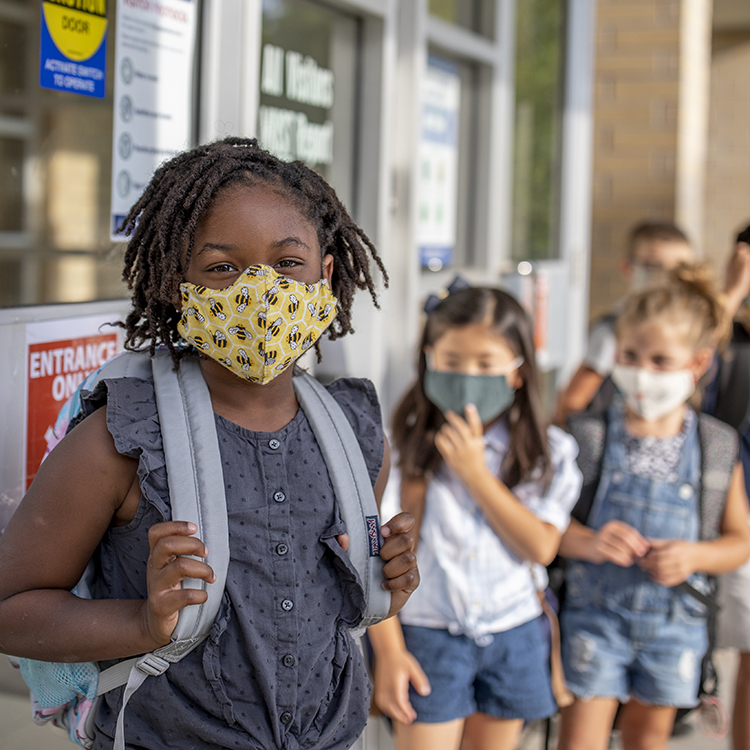
While COVID-19 is new and frightening, these resources are designed to help families tackle the challenges this virus has created for us.
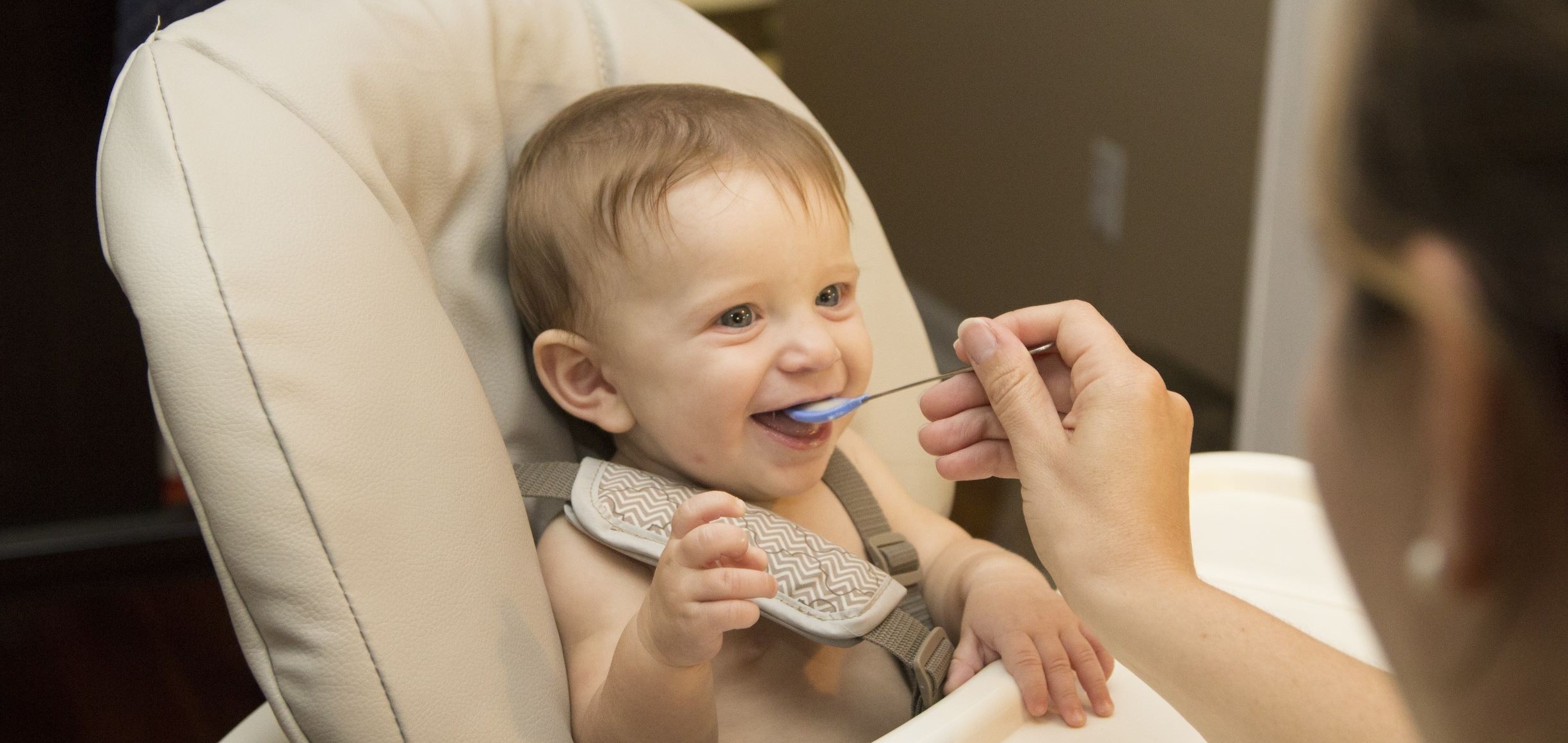
A dramatic rise in food allergies over the past 20 years had Australian medical professionals scratching their heads, with three in every ten babies born each year developing food-related allergy or eczema.
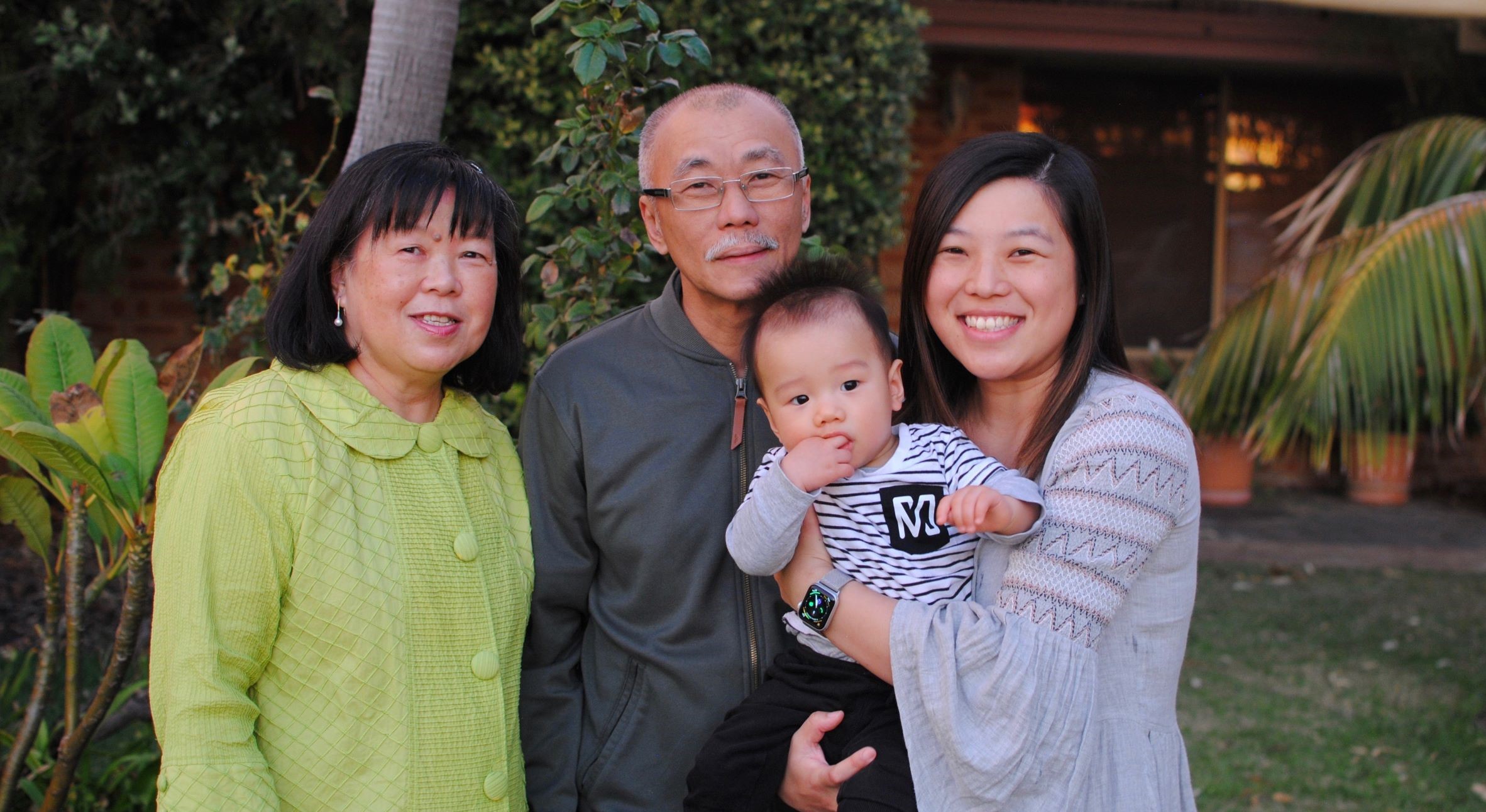
Between 1989 and 1991, almost 3,000 WA babies were recruited to the Raine Study - an ambitious research project which would yield a series of paradigm-shifting findings that changed scientific thinking. Three decades on, it has also changed the lives of those taking part.
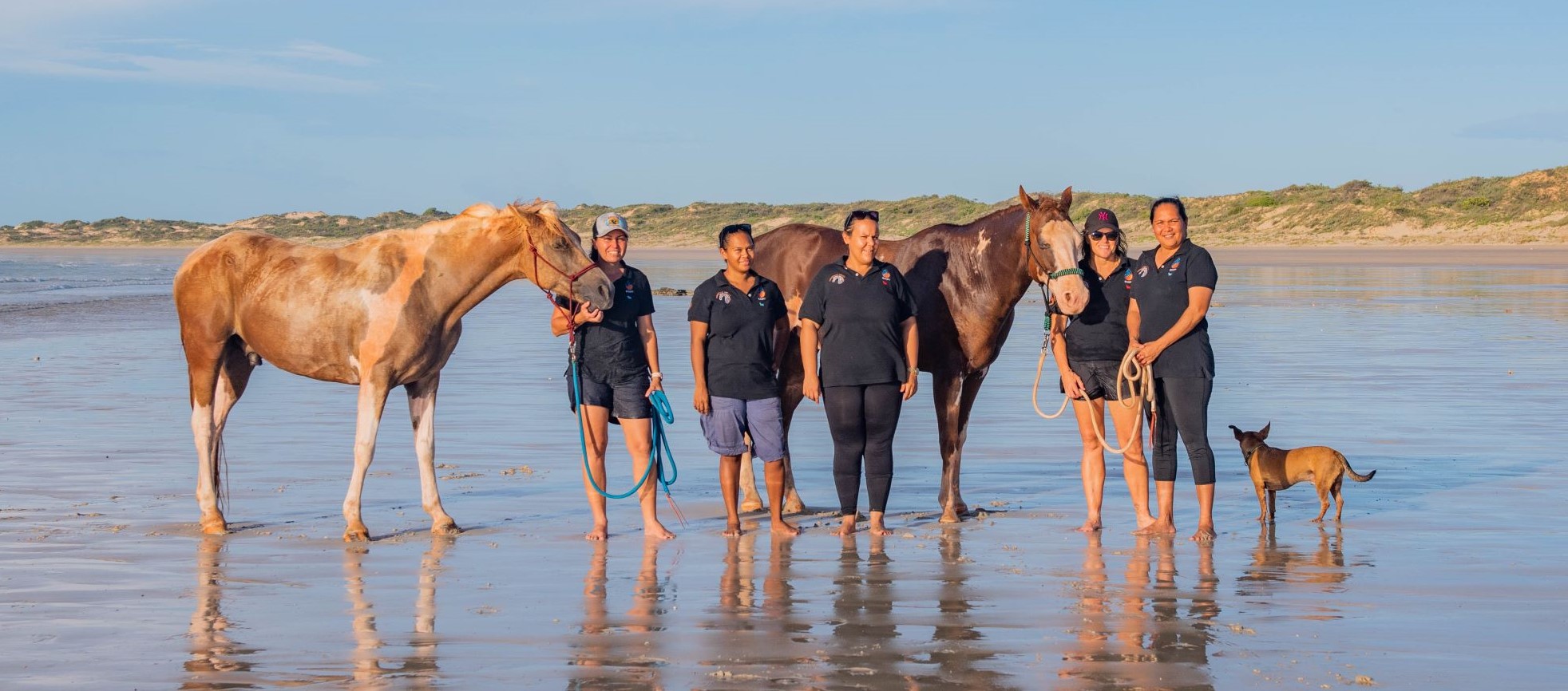
The Yawardani Jan-ga Equine-Assisted Learning (EAL) research project, headed by Professor Juli Coffin in WA’s Kimberley region, is steadily growing its capacity to support the social, emotional and spiritual wellbeing of Aboriginal young people through the powerful medium of horses.
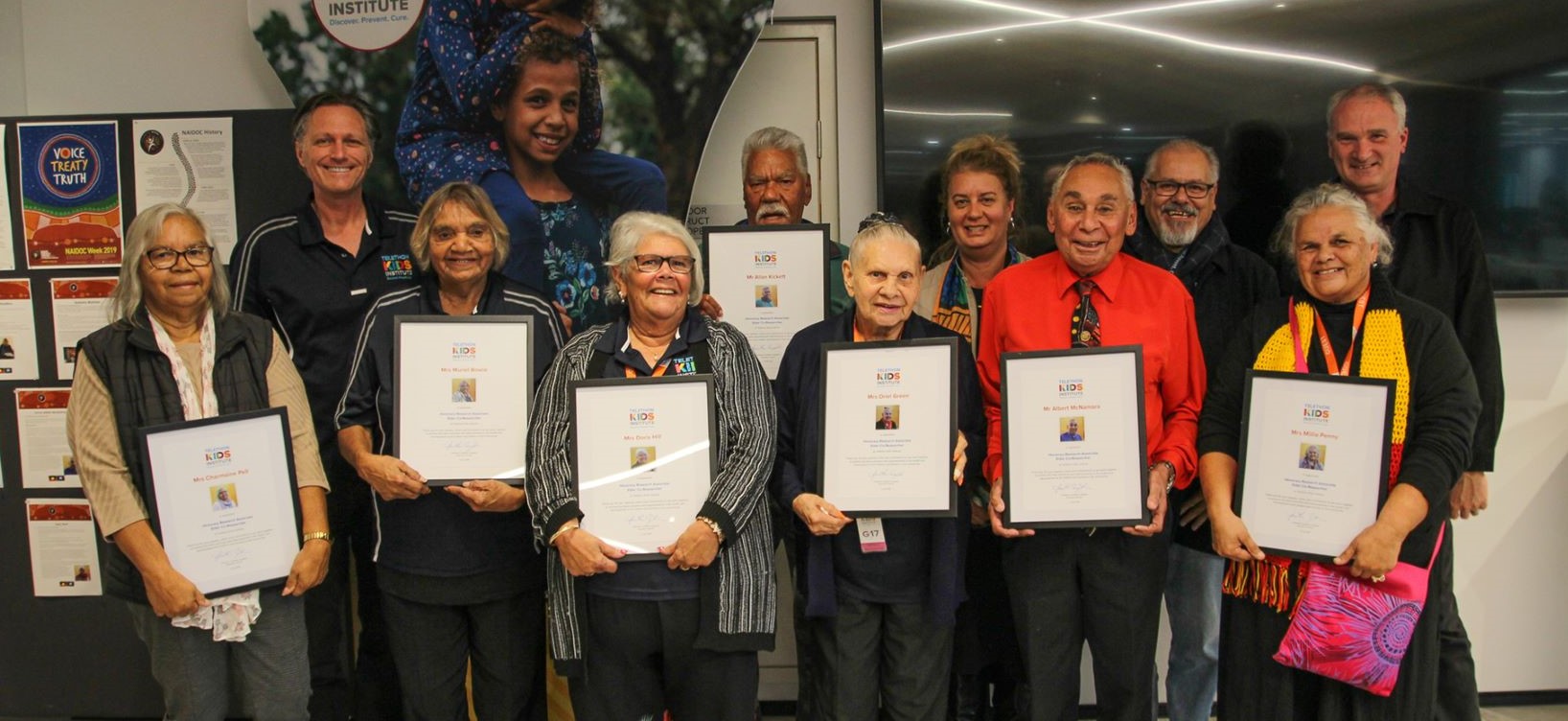
The Ngulluk Koolunga Ngulluk Koort (Our Children, Our Heart) Project grew out of a bold vision to harness the wisdom of Aboriginal Elders to improve outcomes for Aboriginal children, producing a suite of Elder-led, culturally appropriate and empowering initiatives that are making a difference.
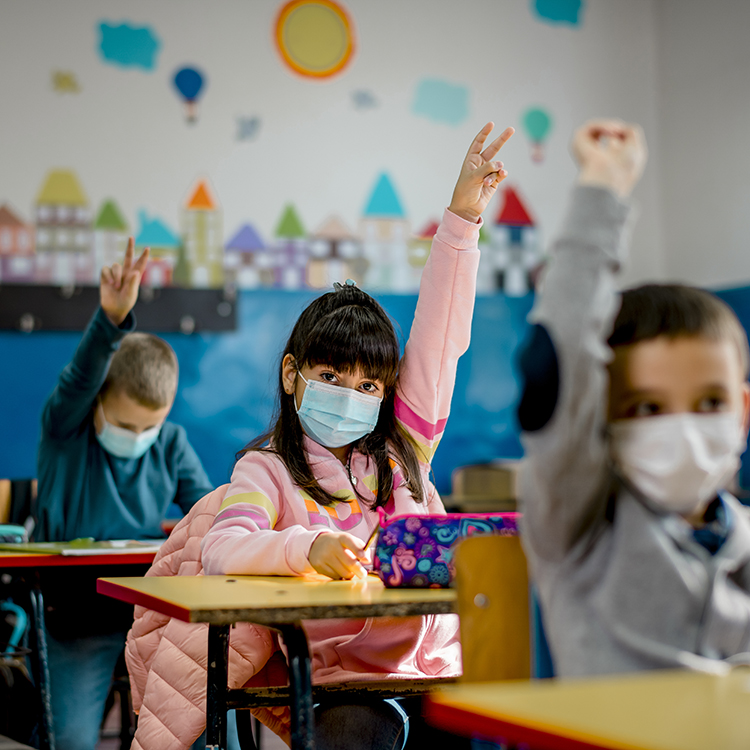
With the number of COVID-19 infections in Western Australia continuing to grow – including confirmed cases in children – The Kids Research Institute Australia understands that our community is growing increasingly worried.
The Kids Research Institute Australia answers all of your questions about vaccines and children