
Search
Systematic review of antibiotic duration and timing of intravenous to oral switch for paediatric infectious diseases and evidence-graded recommendations
Sepsis is a significant cause of mortality for children in Australia, particularly affecting young children, those with pre-existing health conditions and Aboriginal and Torres Strait Islander populations. The transition from hospital to home can be challenging for survivors, often leaving long-term impacts unaddressed.
Our interdisciplinary team initiated a project to inform the COVID-19 vaccination programme. We developed a novel research co-creation approach to share emerging findings with government.

Western Australian kids will have access to a needle-free nasal flu vaccine for the first time in 2026 as part of a new initiative to boost vaccination rates against the life-threatening virus.
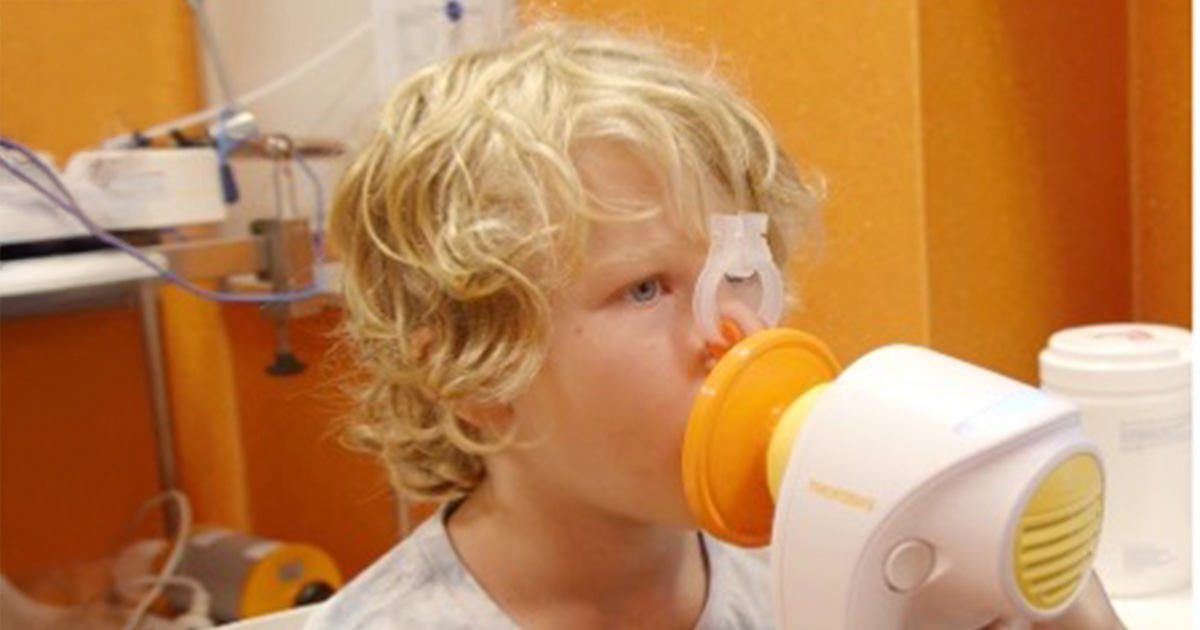
New hope is on the horizon for people living with cystic fibrosis.

Whooping Cough Day in 2025 has a special significance to Catherine Hughes AM and her family - it marks a decade of dedication to vaccine advocacy after the loss of their four-week-old baby son Riley in 2015.
Maternal influenza and pertussis vaccination is an important strategy to reduce morbidity and mortality in infants. Previous vaccine safety studies have mostly focused on the association between maternal vaccination and fetal death.
Invasive mould infection (IMI) is a major cause of morbidity and mortality in immunocompromised children. Outcomes for paediatric patients with IMI remain poor, due in part to the limitations of available diagnostic tools and therapeutic agents.
Rates of several vaccine preventable diseases, and associated hospitalisation, are higher among Aboriginal and/or Torres Strait Islander children than non-Indigenous children. Western Australia has among the lowest childhood vaccine coverage in Australia, particularly among Aboriginal and/or Torres Strait Islander children. Delayed vaccination is also more common in this population. This project aimed to understand the barriers and facilitators to vaccine uptake and timeliness among Aboriginal and/or Torres Strait Islander children aged under five years in Boorloo (Perth).
Staphylococcus aureus bacteremia (SAB) is the most common cause of childhood sepsis contributing to pediatric intensive care unit admission. The cost of adult SAB hospitalization is well described globally, but limited costing information is available for children. To bridge this knowledge gap, we investigated the cost of hospitalization in children with SAB in Australia.