
Search
Research
How do high protein and/or high fat meals affect postprandial glycaemic control in children using intensive insulin therapy?Investigating the effect of fat and protein content of a standardised carbohydrate meal on the post-prandial glycaemic response in children with type 1 diabetes
Research
TrialNet: Pathway to PreventionThis study is helping us to learn how type 1 diabetes develop and ways to delay and prevent it.
Research
Investigating mortality rates and the incidence and risk factors of diabetes complications and co-morbidities during early adult life in a population based childhood onset diabetes cohortUsing the WA Data Linkage System to provide information of the incidence and relative risk of T1D co-morbidities and mortality during early adulthood.
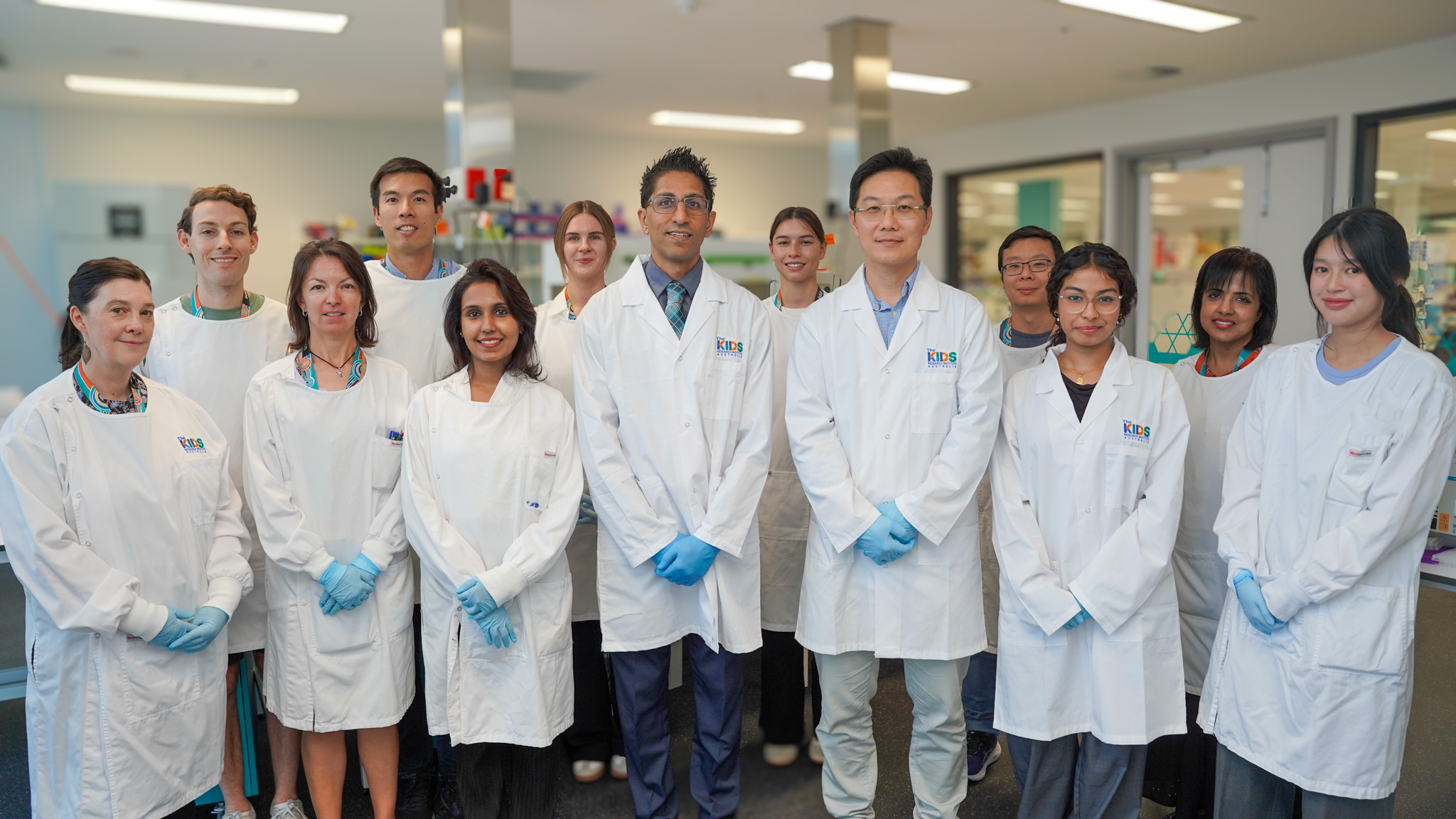
The main aim of our Leukaemia Translational Research Team is to test innovative therapeutic approaches, with a focus on clinical translation of this knowledge, to improve the outcomes of children suffering from leukaemia.

The vision of the Perioperative Medicine Team is to make discoveries that will improve children’s perioperative care and lead to global practice change.

The Respiratory Environmental Health team conducts research in early life determinants of lung growth and development, respiratory environmental health, and mechanisms of airway dysfunction in asthma and other respiratory disease.
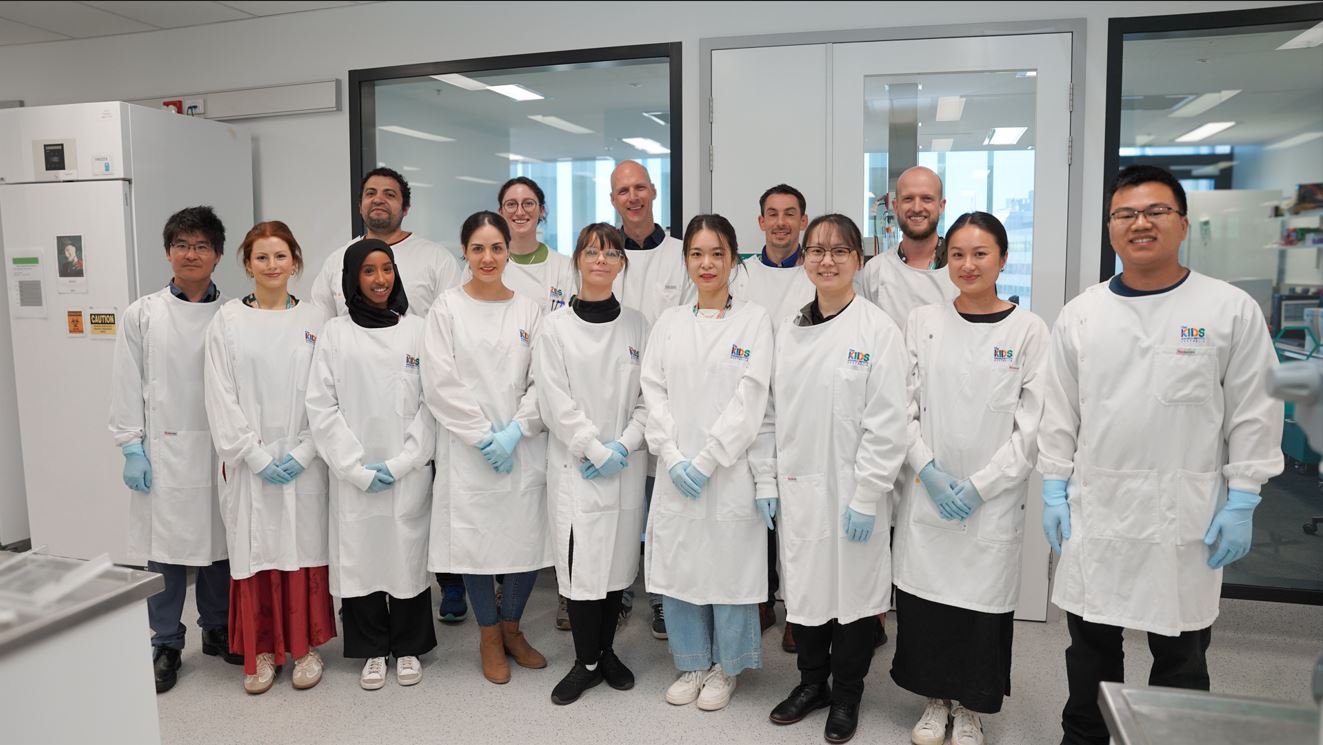
We aim to discover and develop safer and more effective treatments by doing inventive and rigorous research to improve outcomes for kids with cancer.
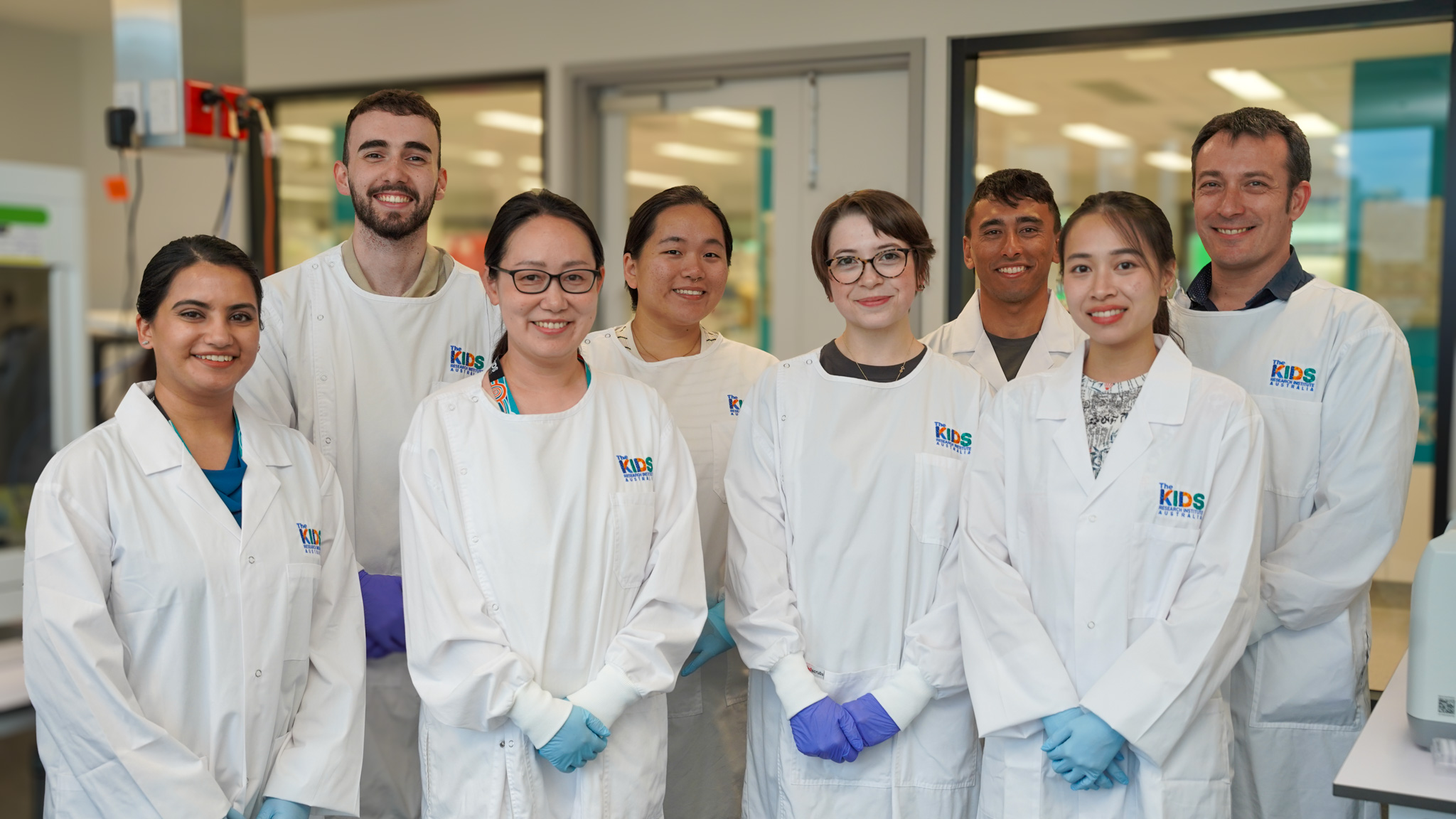
The Translational Genomics in Leukaemia team is focused on identifying the causes of leukaemia, with the goal of developing new targeted treatments to improve quality of care and long-term survival for all children with leukaemia.
Our Child Health Analytics Team uses cutting-edge technologies to better understand how and why the health and wellbeing of children varies from place to place. We develop innovative geospatial methods that can harness large, complex datasets to pinpoint hotspots of elevated risk, evaluate change through time, and explore underlying drivers.
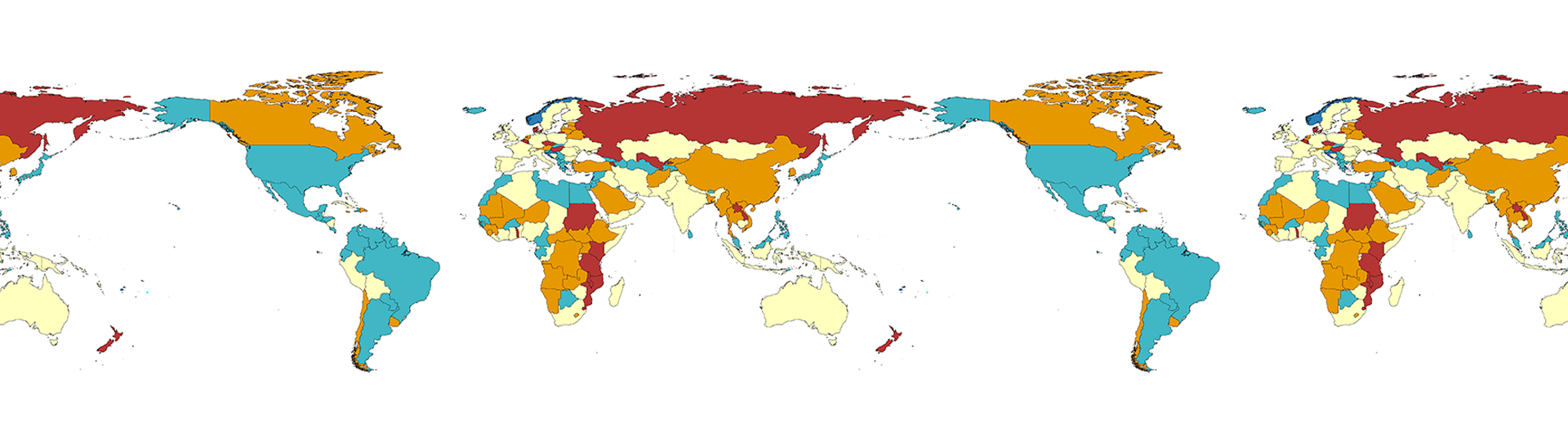
The Geospatial and Tuberculosis (GeoTB) team led by Kefyalew Alene focuses on designing an innovative approach for improving the efficiency and effectiveness of public health interventions to help control and ultimately eliminate tuberculosis in high-burden countries.